Understanding 3D Model Generators
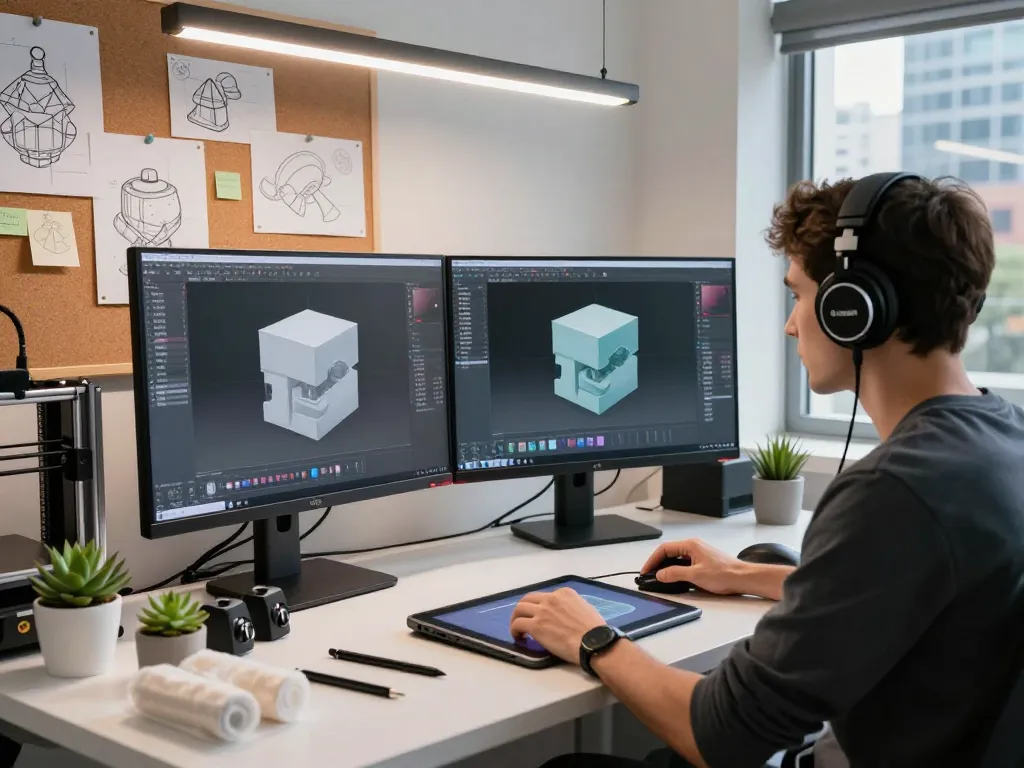
In an era where technology continually reshapes creative processes, 3D model generators have emerged as revolutionary tools, enabling designers and developers to create intricate 3D models with unprecedented ease and speed. By harnessing advanced algorithms and artificial intelligence, these tools allow users to transform text descriptions or 2D images into fully realized 3D representations. For professionals in various industries, understanding how to effectively utilize these generators can unlock new levels of creativity and efficiency.
What is a 3D Model generator?
A 3D model generator is a software application that creates digital 3D representations of objects or scenes based on user input, such as text prompts or image uploads. This technology leverages machine learning, artificial intelligence, and computer graphics techniques to automate the design process, making it accessible to both experienced designers and novices alike. With capabilities ranging from basic shape creation to complex model generation, these tools have become essential in fields such as gaming, animation, architecture, and product design.
How do 3D Model generators work?
At the core of a 3D model generator lies a sophisticated algorithm that interprets user-provided input and translates it into geometric data. Most generators operate on the principle of procedural generation, where predefined rules are applied to create models automatically. In the case of text-to-3D generators, natural language processing (NLP) techniques are utilized to understand and interpret user descriptions. For image-to-3D generators, the system uses computer vision to analyze the visual features of the uploaded images, generating a corresponding 3D model. The result is a seamless integration of artistic vision and technological efficiency.
Benefits of using a 3D Model generator in design
- Speed and Efficiency: 3D model generators drastically reduce the time required to create complex models, allowing designers to focus on refining their ideas rather than getting bogged down in technical details.
- Accessibility: These tools empower individuals without extensive 3D modeling experience to create professional-quality models, democratizing design across various sectors.
- Cost-Effective: By minimizing the manual labor required in 3D modeling, companies can significantly lower their design costs while maintaining high output quality.
- Iterative Design: Rapid prototyping capabilities enable designers to experiment and iterate on ideas more freely, fostering innovation and creativity.
Applications of 3D Model Generators
3D model generators have found applications in a variety of industries, each leveraging the technology to enhance their design processes. For instance, in gaming, developers can use these tools to quickly generate characters and environments that fit within their creative vision. Similarly, product designers utilize them to quickly visualize concepts and perform virtual testing cuts down development costs. When exploring options, 3D Model generator platforms provide comprehensive insights into the capabilities and applications of this technology.
Industries leveraging 3D Model generators
- Gaming and Entertainment: Game developers rely on 3D model generators to create immersive environments and lifelike characters.
- Architecture: Architects use these tools to visualize building designs and presentations before construction begins.
- Manufacturing: Engineers implement generators to design components and test their functionality in a virtual space.
- Healthcare: In medical fields, 3D models of anatomical structures aid in surgical planning and patient education.
Case studies showcasing effective use of a 3D Model generator
One significant case study involves a leading game development company that integrated a 3D model generator into their pipeline to enhance efficiency. By transitioning from manual modeling to automated generation, the company reduced its modeling time by over 50%, allowing for faster project completion and more time for creative exploration. Another inspiring example includes an architecture firm that utilized these tools for client presentations, generating multiple design iterations in real-time based on client feedback.
Future trends in 3D modeling applications
The future of 3D modeling is poised for remarkable transformations as technologies evolve. Emerging trends indicate a push towards greater interoperability between 3D model generators and other software applications. We can expect advancements in augmented reality (AR) and virtual reality (VR) integration, making it possible for users to interact with models in immersive environments. Furthermore, the increasing incorporation of artificial intelligence and machine learning into these generators is likely to enhance their capabilities, making them even more intuitive and user-friendly.
Choosing the Right 3D Model Generator
Selecting the ideal 3D model generator involves understanding specific needs and assessing features that align with those needs. Users should consider factors such as user interface, supported file formats, compatibility with other software, and the quality of the generated models. For businesses, evaluating return on investment (ROI) based on productivity gains and cost savings is essential in selecting the right tool.
Key features to look for in a 3D Model generator
- Ease of Use: A user-friendly interface will allow designers to navigate the software with ease, enhancing productivity.
- Versatility: The ability to both create and edit models is crucial for an efficient workflow.
- Compatibility: Ensuring the tool works seamlessly with other design and 3D printing software is vital.
- Output Quality: High-fidelity models are essential for applications in gaming, architecture, and product design.
Comparing top 3D Model generator tools in 2026
As of 2026, several 3D model generator tools are at the forefront of the industry, each offering unique features. Tools like Meshy AI, Canva, and Sloyd provide various functionalities tailored for different users. For instance, Meshy AI specializes in generating production-ready models, while Sloyd focuses on text and image inputs for versatile designs. Understanding the strengths and weaknesses of each tool is critical for making an informed decision tailored to a user’s specific requirements.
User reviews and feedback on popular generators
User feedback plays a crucial role in understanding the effectiveness and reliability of various 3D model generators. Reviews often highlight strengths such as speed and output quality while also pointing out potential issues, such as limited customization options or steep learning curves. Engaging with user communities, forums, and professional networks can provide valuable insights into the experiences of others and help users make informed decisions.
Best Practices for Using 3D Model Generators
To maximize the benefits of 3D model generators, designers should adopt best practices that enhance their workflow and output quality. Understanding how to navigate the tool effectively can make a significant difference in productivity levels and overall satisfaction with the generated models.
Steps to optimize your 3D modeling process
- Define Objectives: Clearly outline what you want to achieve with your 3D models to guide the generation process.
- Experiment: Don’t hesitate to experiment with different inputs to explore the full range of capabilities of your generator.
- Review and Iterate: Regularly review generated models to refine and improve them based on feedback or new ideas.
Common pitfalls to avoid when using a 3D Model generator
- Over-reliance on Automation: While 3D generators are powerful, relying solely on automation can limit creativity.
- Ignoring Feedback: User feedback is invaluable; neglecting it can lead to subpar models.
- Underestimating Learning Curves: While some tools claim to be user-friendly, there may be a learning curve that users should be prepared to navigate.
Tips for beginners in 3D modeling
For those just starting in 3D modeling, consider beginning with simpler projects to build confidence and experience. Use tutorials and community resources to learn about best practices and common techniques. Engage with online forums to share your work and receive constructive feedback, which can accelerate your growth as a designer.
The Future of 3D Model Generation
Looking ahead, the world of 3D model generation is set to evolve significantly, driven by technological advancements and changing user needs. Emerging technologies such as augmented reality (AR) and machine learning will continue to influence how 3D models are created and utilized.
Emerging technologies influencing 3D Model generators
As the field of 3D modeling progresses, technologies like artificial intelligence are becoming increasingly essential. AI can enhance the capability of generators by providing intelligent suggestions, automating repetitive tasks, and improving model accuracy. Additionally, advancements in hardware, such as graphic processing units (GPUs), will enable real-time rendering and more sophisticated modeling capabilities.
Predictions for 3D modeling in 2026 and beyond
By 2026, it is predicted that 3D modeling will become more integrated into everyday design processes, facilitating collaboration across different disciplines. Increased use of VR and AR will allow designers to visualize their creations in real-world contexts, greatly enhancing the design workflow. Furthermore, 3D printing and modeling technologies are expected to converge, allowing for seamless transitions from digital design to physical products.
The role of AI in advancing 3D Model generation
AI is poised to revolutionize 3D model generation by making the process more intuitive and responsive. Future developments may include AI-driven tools that adapt to individual user styles, learning from previous designs to streamline workflows and produce higher quality outputs. This integration of AI will likely democratize access to sophisticated modeling tools, enabling a broader range of users to participate in the creative process.
What are the most popular 3D Model generators available today?
Some of the most popular 3D model generators include Meshy AI, Sloyd, and Canva, each catering to different user demographics and preferences. As features and technologies evolve, these tools are continually updated to meet the changing demands of designers and developers.
Can 3D Model generators help in 3D printing?
Absolutely! 3D model generators can create highly detailed models that are ready for 3D printing. Many tools allow users to export their designs in file formats compatible with most 3D printers, making the transition from digital to physical product seamless.
Are there free options for 3D Model generators?
Yes, several 3D model generators offer free versions or trials, enabling users to explore functionalities without financial commitment. Tools like Canva and Tripo allow users to create models without upfront costs, making them an excellent choice for beginners.
How to troubleshoot common issues with 3D Model generators?
Common troubleshooting strategies include checking software updates, ensuring proper file formats are used, and consulting user forums for assistance. Many generator platforms also have dedicated support teams to help users resolve specific issues effectively.
What skills do you need to effectively use a 3D Model generator?
While 3D model generators are designed to be user-friendly, having a basic understanding of design principles and familiarity with 3D concepts can greatly enhance your ability to create effective models. Skills in graphic design, spatial awareness, and even some coding can provide additional advantages in utilizing these tools to their full potential.