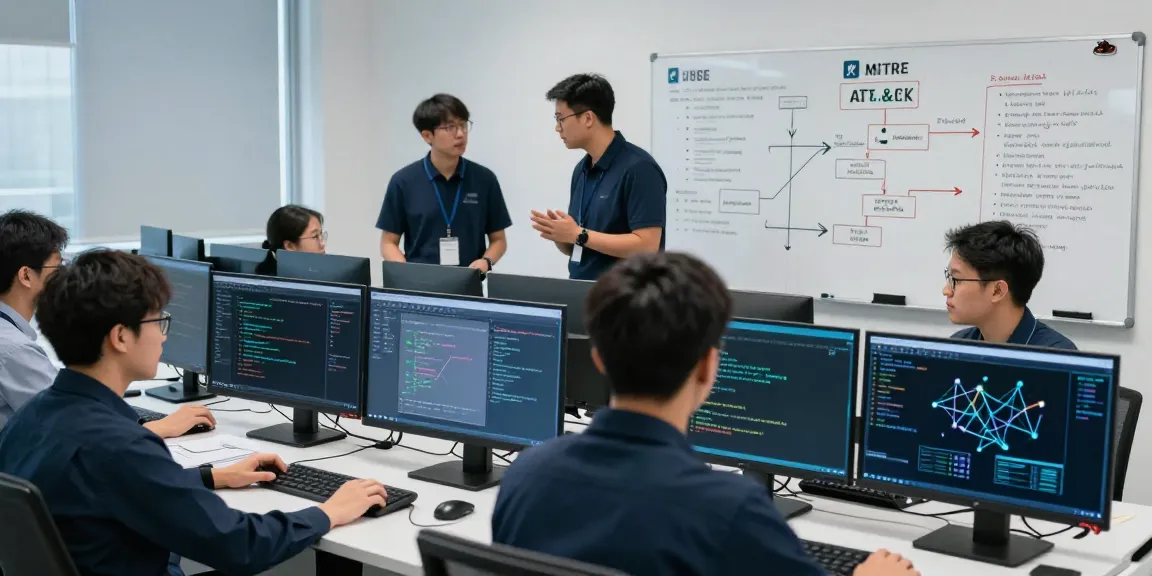
Understanding System Configuration Review Services
In the rapidly evolving landscape of IT security, the importance of thorough system configuration reviews cannot be overstated. As organizations increasingly deploy complex infrastructures—encompassing cloud services, microservices, and containerized applications—the potential for misconfigurations grows. These misconfigurations can translate into vulnerabilities that cybercriminals can exploit. Thus, a meticulous examination of system settings is vital to safeguarding sensitive data and maintaining compliance with industry standards. When exploring options, system configuration review offers a significant advantage by ensuring that critical digital resources are securely configured to withstand potential threats.
What is a System Configuration Review?
A system configuration review involves a systematic assessment of the security settings and configurations within an IT environment. This process evaluates whether settings across servers, firewalls, and cloud platforms align with recognized hardening standards and follows the principle of least privilege. The primary goal is to uncover misconfigurations, rule debts, and inefficiencies that may compromise security. Unlike vulnerability assessments, which search for weaknesses that attackers might exploit, configuration reviews focus on verifying that systems are securely configured from the outset. This proactive approach is essential in preventing security breaches before they occur.
Benefits of Configuration Review Services
Configuration review services provide numerous advantages, including:
- Enhanced Security Posture: By identifying and rectifying misconfigurations, organizations can significantly reduce their attack surface and strengthen their overall security.
- Compliance Assurance: Regular configuration reviews help ensure adherence to industry regulations and standards, such as HIPAA, PCI DSS, and NIST.
- Operational Efficiency: This process can lead to improved efficiency by streamlining configurations and eliminating unnecessary complexities within IT systems.
- Informed Decision-Making: Organizations gain insights into their infrastructure's security state, enabling better resource allocation and planning for future security initiatives.
Security Standards and Best Practices
Alignment with security benchmarks is crucial for effective configuration reviews. Common frameworks employed during reviews include the Center for Internet Security (CIS) Benchmarks, which provide detailed guidelines for securely configuring various systems, as well as the National Institute of Standards and Technology (NIST) guidelines. Additionally, following best practices such as regular audits, continuous monitoring, and leveraging automation for configuration management can significantly bolster an organization's security posture.
Configuration Review vs. Vulnerability Assessment
Key Differences Explained
While configuration reviews and vulnerability assessments are both essential components of a comprehensive security strategy, they serve distinctly different purposes. A vulnerability assessment typically involves scanning the environment for known vulnerabilities and ranking them according to severity. The focus is often on identifying exploitability from an external perspective. In contrast, a configuration review concentrates on the internal workings—examining actual configurations to ascertain whether systems are set up securely. Understanding these differences can guide organizations to choose the right approach based on their specific security needs.
When to Choose Configuration Reviews
Organizations should consider configuration reviews when:
- They suspect that settings have drifted from the established security baseline, particularly after significant operational changes.
- They want to systematically validate that security controls are appropriately configured and functioning as intended.
- They require assurance that cloud configurations align with security best practices and do not expose sensitive data.
Comprehensive Coverage of Security Weaknesses
Configuration reviews provide a more comprehensive view of an organization's security posture compared to traditional vulnerability assessments. They can reveal issues like over-permissive IAM roles, weak firewall rules, and outdated configurations that may not be immediately visible through a vulnerability scan. By combining automated tools with manual evaluations, organizations can build a clearer remediation framework that addresses specific risks without overlooking business requirements.
Implementation of Configuration Review Services
Steps in Conducting a Configuration Review
The process of conducting a system configuration review typically involves several key steps:
- Scope Definition: Identify the systems and environments that will be assessed, focusing on critical infrastructure components.
- Baseline Comparison: Compare current configurations against established baseline benchmarks, such as CIS or vendor guidelines.
- Data Collection: Extract configuration data from systems, which may involve using scripts or automated tools.
- Analysis: Review collected data for misconfigurations and deviations from security best practices.
- Reporting: Generate a structured report detailing findings, recommendations, and remediation actions.
Tools and Technologies Used
Various tools can facilitate the configuration review process, such as:
- Configuration Assessment Tools: Tools like Chef InSpec and OpenSCAP provide frameworks for assessing compliance against defined configuration standards.
- Cloud Security Posture Management (CSPM) Tools: Solutions like Prisma Cloud and Dome9 help monitor and remediate cloud-based configurations.
- Firewall Rule Management Tools: Tools like Tufin and AlgoSec can analyze firewall rules and detect misconfigurations effectively.
Engaging with Professional Services
For organizations lacking in-house expertise, engaging with professional services such as Swarmnetics can provide the specialized knowledge required for effective configuration reviews. Expert consultants bring valuable experience, industry knowledge, and technical certification (like CREST or OSCP) to navigate complex security environments and implement best practices tailored to organizational needs.
Core Components of System Configuration Review
Host Configuration Review Processes
Host configuration reviews focus on the operating system settings of servers and network devices. The review process audits against established benchmarks, such as CIS Benchmarks, ensuring that security protocols are diligently applied. This step is critical for identifying configuration drift where live environments may stray from established standards due to updates, changes, and operational adjustments.
Cloud Service Configuration Standards
Cloud configuration reviews evaluate settings related to IAM, network security, storage, and encryption. The review assesses whether settings comply with cloud security best practices, focusing on known frameworks like the CSA Cloud Controls Matrix. This is increasingly vital as organizations migrate to multi-cloud and hybrid cloud strategies, where misconfigurations can lead to severe data exposure risks.
Firewall Ruleset Review Methodologies
Firewall ruleset reviews involve analyzing access control lists (ACLs) to assess whether rules conform to the principle of least privilege and address documented business needs. This process can uncover unnecessary complexities and redundancies, ultimately leading to a more streamlined and secure firewall configuration.
Best Practices for Achieving Optimal Configurations
Aligning with Industry Standards
Staying aligned with industry standards is paramount for maintaining a secure configuration posture. Organizations should regularly update configurations based on changing threat landscapes and emerging vulnerabilities. Implementing monitoring solutions that can alert teams to deviations from established benchmarks is crucial for continual compliance.
Monitoring for Configuration Drift
Configuration drift—a common issue in dynamic environments like cloud platforms—can lead to security vulnerabilities and compliance risks. Employing continuous monitoring solutions that automatically detect and alert organizations to deviations can help maintain system integrity and adhere to security policies.
Continuous Improvement Strategies
To achieve optimal configurations, organizations should adopt a continuous improvement mindset. This includes:
- Regular Audits: Schedule periodic configuration reviews to reassess security settings in response to evolving threats and business requirements.
- Feedback Loops: Encourage teams to provide input on configuration management to align security practices with business objectives.
- Training Programs: Invest in ongoing training for IT personnel to ensure they remain informed of the latest security trends and configuration best practices.
FAQs about System Configuration Reviews
What are the advantages of a configuration review?
Configuration reviews offer numerous advantages including enhanced security, improved compliance, and operational efficiency. They help identify misconfigurations that might otherwise lead to security breaches.
How often should configuration reviews be conducted?
The frequency of configuration reviews can depend on various factors, including the complexity of the IT environment, regulatory requirements, and changes to infrastructure. However, conducting these reviews at least bi-annually is generally recommended to maintain security integrity.
What role does configuration review play in risk management?
Configuration reviews are integral to risk management strategies, as they help organizations identify and mitigate potential vulnerabilities before they can be exploited by attackers. By ensuring that systems comply with security standards, configuration reviews contribute significantly to an organization’s overall risk posture.