
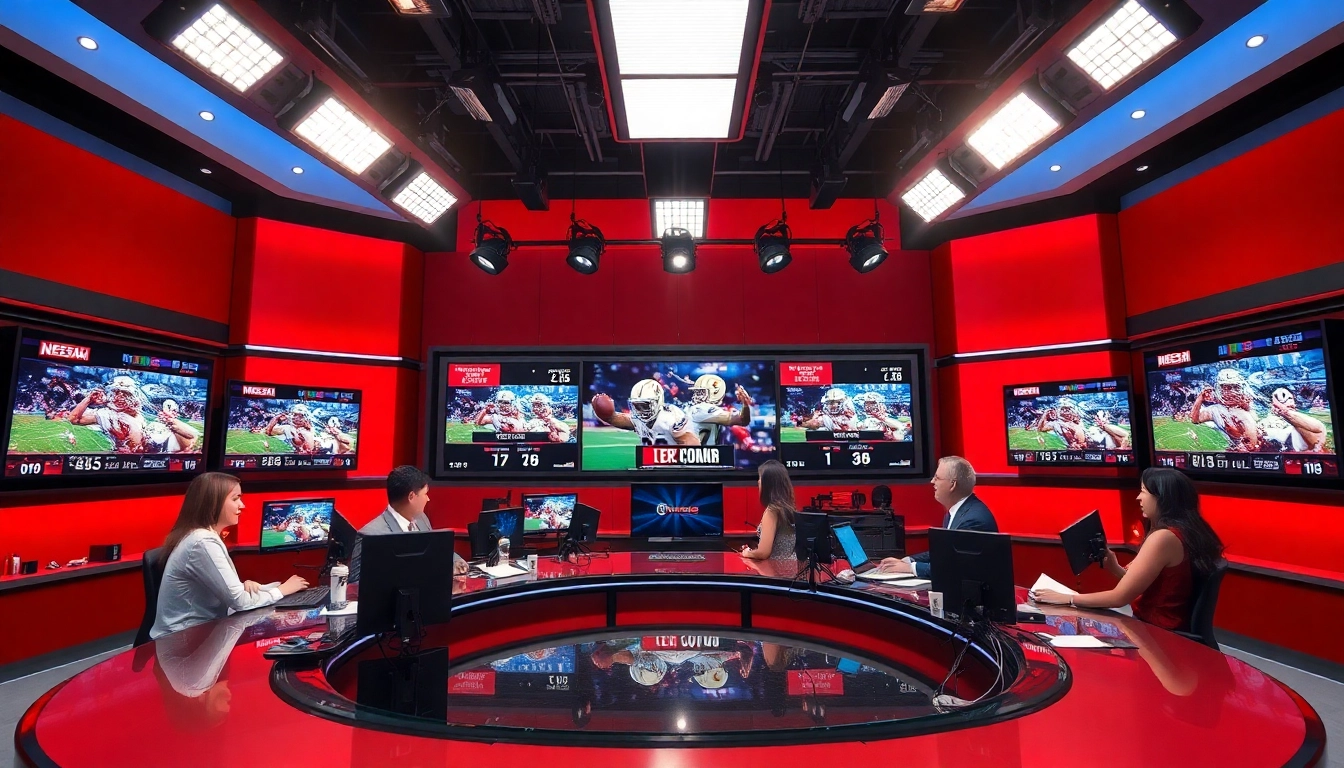
Understanding Sports Broadcasting
What is Sports Broadcasting?
Sports Broadcasting refers to the airing of live sports events via various platforms, including television, radio, and internet channels. This form of media is essential for engaging fans, promoting sports, and providing real-time access to events. In a world driven by technology, Sports Broadcasting has evolved tremendously, transforming the way audiences consume sports. It encompasses everything from professional games to amateur leagues, offering a diverse range of coverage for audiences globally.
History and Evolution of Sports Broadcasting
The roots of Sports Broadcasting can be traced back to the late 19th century when sports events began to be covered in newspapers. However, the first major breakthrough occurred in 1921 when a boxing match was broadcast live on the radio, marking the beginning of a new era. With the introduction of television in the 1950s, sports broadcasting reached new heights. Iconic moments, such as the Olympics and the Super Bowl, became household experiences, drawing millions of viewers.
As technology continued to advance, so did the ways in which sports were broadcasted. The 1980s saw the advent of cable sports channels, while the 2000s introduced high-definition broadcasts and the internet. Today, sports fans can enjoy an array of options, including on-demand streaming, live sports apps, and augmented reality experiences. The evolution is not just in the mediums used but also in how audiences engage with content, increasingly opting for personalized experiences.
The Role of Technology in Sports Broadcasting
Technology plays a pivotal role in shaping Sports Broadcasting. From high-definition cameras and drones capturing aerial views of events to advanced graphics and analytics enhancing viewer experience, innovation is at the forefront. Technologies like 360-degree video and virtual reality offer immersive experiences, allowing audiences to feel as if they are part of the action. Furthermore, advancements in data analytics have changed the game for broadcasters, enabling them to deliver insights in real-time and tailor content to fan preferences.
Moreover, Social Media has become integral as platforms like Twitter and Instagram allow real-time updates, fan interactions, and behind-the-scenes content, further blurring the lines between broadcasting and engagement.
Major Trends in Sports Broadcasting
Rise of Streaming Services in Sports Broadcasting
The shift towards streaming services has revolutionized the landscape of Sports Broadcasting. Consumers increasingly favor flexibility and convenience over traditional cable packages. Streaming platforms like ESPN+, DAZN, and others have emerged, offering extensive sports coverage without the encumbrance of long-term contracts. This trend not only caters to the on-demand nature of modern viewing but also expands access to international sports events that were previously limited to specific geographic areas.
Additionally, the advent of smart TVs and mobile applications means fans can watch their favorite sports anywhere, anytime. This flexibility has shifted advertising strategies, pushing broadcasters to engage younger audiences through targeted digital ads and innovative content delivery.
Influence of Social Media on Sports Broadcasting
Social Media has profoundly impacted the way Sports Broadcasting is approached and consumed. Platforms like Twitter, Facebook, Snapchat, and TikTok serve as not only a communication channel but also as a supplemental way to engage audiences. Real-time updates, live chats during games, and interactive content have created an integrated viewing experience.
Sports broadcasters now utilize Social Media for highlights, interviews, and fan engagement strategies, often in real-time during a game. The influence of Social Media extends beyond broadcasting; it shapes narratives, promotes athletes, and even drives fan activism. As a result, traditional broadcasting companies have adapted by incorporating more interactive, audience-led content into their offerings.
Emerging Technologies in Sports Broadcasting
The future of Sports Broadcasting will likely see even more innovative technologies taking center stage. Artificial Intelligence (AI) is anticipated to enhance play-by-play commentary and even assist with the editing of highlights. Machine learning algorithms can curate personalized content feeds based on user preferences, ensuring that each fan gets a customized viewing experience.
Moreover, blockchain technology holds the potential for improving transparency in rights management, providing secure transaction tracking for digital rights. As augmented reality (AR) and virtual reality (VR) technologies mature, they will likely make Sports Broadcasting even more engaging by offering unique viewer experiences, such as a virtual front-row seat at a live event.
Challenges Faced by Sports Broadcasters
Navigating Copyright and Rights Management
One of the most pressing challenges in Sports Broadcasting is copyright and rights management. Acquiring the rights to broadcast specific events can be costly and complicated. Broadcasters must navigate a complex landscape of negotiations with leagues, teams, and competitors. Mismanaging these rights can result in significant financial setbacks and legal complications.
For example, international competitions often involve multiple rights holders, complicating the logistics further. Broadcasters must remain informed about jurisdictional rights that can vary from country to country, ensuring compliance with local laws regarding content distribution while maximizing reach.
Competition in the Sports Broadcasting Industry
The competition within Sports Broadcasting has intensified with the rise of new entrants, particularly streaming platforms. Network television, once dominating the landscape, faces declining viewership as more audiences gravitate toward niche streaming services. This heightened competition has driven innovation but poses risks as broadcasters vie for a shrinking pool of advertising dollars.
To remain competitive, traditional broadcasters are required to rethink their strategies, integrating digital and interactive components to foster loyalty and deliver value-added services to viewers. As this competition continues, broadcasters must invest in unique content offerings and enhanced viewer experiences to stand out in a crowded marketplace.
Adapting to Changing Viewer Preferences
As consumer preferences evolve, Sports Broadcasting must adapt to accommodate new viewer habits. Younger audiences are looking for more than just a game; they desire a two-way interaction that allows them to engage with content actively. This shift necessitates that broadcasters invest in developing hybrid programming, including interactive discussions, behind-the-scenes content, and fan-focused segments.
Feedback loops and viewer analytics are critical in understanding these preferences. Broadcasters can leverage data to create tailored experiences, ensuring they meet viewers’ demands while lowering churn rates. Maintaining viewer interest will require broadcasters to stay agile and responsive to audience trends as they develop future content strategies.
Enhancing Viewer Engagement in Sports Broadcasting
Interactive Experiences for Audiences
To enhance viewer engagement, sports broadcasters are increasingly offering interactive experiences. Technology enables fans to vote on player performances, participate in live polls, and even choose camera angles during broadcasts. These features foster a sense of community and involvement, encouraging viewers to feel more connected to the events.
Innovative applications allow viewers to experience supplemental content, such as pre-game shows, player interviews, and expert analysis tailored to the audience’s preferences. As engagement grows, broadcasters that fail to innovate risk being left behind as fans migrate to platforms offering these interactive experiences.
Leveraging Data Analytics for Better Broadcasting
Data analytics is another critical tool for improving viewer engagement in Sports Broadcasting. By analyzing viewer behavior, preferences, and feedback, broadcasters can make informed decisions to enhance content delivery. For instance, real-time data analysis can inform commentary, providing live statistics and insights that enrich the audience experience.
Furthermore, incorporating viewer analytics allows broadcasters to better understand trends in audience engagement across different demographics. By utilizing these insights, sports broadcasters can refine their strategies, increasing relevance and appeal to target audiences.
Best Practices for Broadcasters
To thrive in the evolving landscape of Sports Broadcasting, following best practices is essential. First, invest in technology that supports high-quality viewing experiences across platforms. Second, focus on creating diverse content tailored to varied audience segments, from avid fans to casual viewers.
Additionally, building partnerships with content creators and influencers can expand reach and attract new audiences. Lastly, prioritize gathering and analyzing viewer data continuously to adapt strategies effectively and enhance viewer engagement over time.
The Future of Sports Broadcasting
Predictions for the Next Decade
In the coming decade, Sports Broadcasting is poised for explosive growth driven by technological advancements and changing consumer behavior. The integration of AI and machine learning will likely streamline production processes, create more personalized experiences, and offer real-time analytics for viewers.
Furthermore, the boundaries between broadcasting and interactive gaming may blur, allowing viewers to participate in virtual environments and influence the game dynamically. This integration promises to redefine viewer engagement and create entirely new revenue streams for broadcasters.
Innovations on the Horizon
Looking forward, we can anticipate several innovations in Sports Broadcasting. Enhanced broadcast technologies, like holographic displays, could allow fans to experience live events from their homes in three-dimensional formats. Additionally, the rise of augmented reality could provide viewers with interactive graphics overlaying live footage, enriching the viewing experience with real-time statistics and player information.
Moreover, developments in blockchain technology may improve transparency in ticketing and rights management, increasing trust in the broadcasting process and establishing new business models for monetization.
How Broadcasters Can Adapt to Future Challenges
As challenges arise in the Sports Broadcasting landscape, adaptability will be key for broadcasters. Developing strategies to engage younger audiences is essential. This can involve shifting away from traditional advertising models to embracing influencer partnerships and unique content creation.
Investing in diverse delivery channels, including mobile apps, streaming platforms, and Social Media. Understanding that flexibility and accessibility are paramount will keep broadcasters relevant. Moreover, remaining aware of legal challenges regarding rights management will equip broadcasters to navigate potential obstacles effectively.
FAQs
What is the main goal of Sports Broadcasting?
The primary goal of Sports Broadcasting is to provide live coverage of sports events to engage fans and promote various sports, ensuring accessibility and entertainment.
How has technology changed Sports Broadcasting?
Technology has transformed Sports Broadcasting through advancements like HD broadcasts, streaming services, and interactive features, improving viewer experiences dramatically.
Why are streaming platforms popular for sports viewing?
Streaming platforms are favored for their flexibility, offering viewers the ability to watch sports on demand without the constraints of traditional cable subscriptions.
What challenges do broadcasters face?
Broadcasters face challenges such as copyright issues, intense competition, and the need to adapt to rapidly changing viewer preferences to retain audiences.
How can data analytics improve viewer engagement?
Data analytics help broadcasters understand viewer preferences, enabling tailored content delivery and real-time engagement strategies that enhance the overall audience experience.