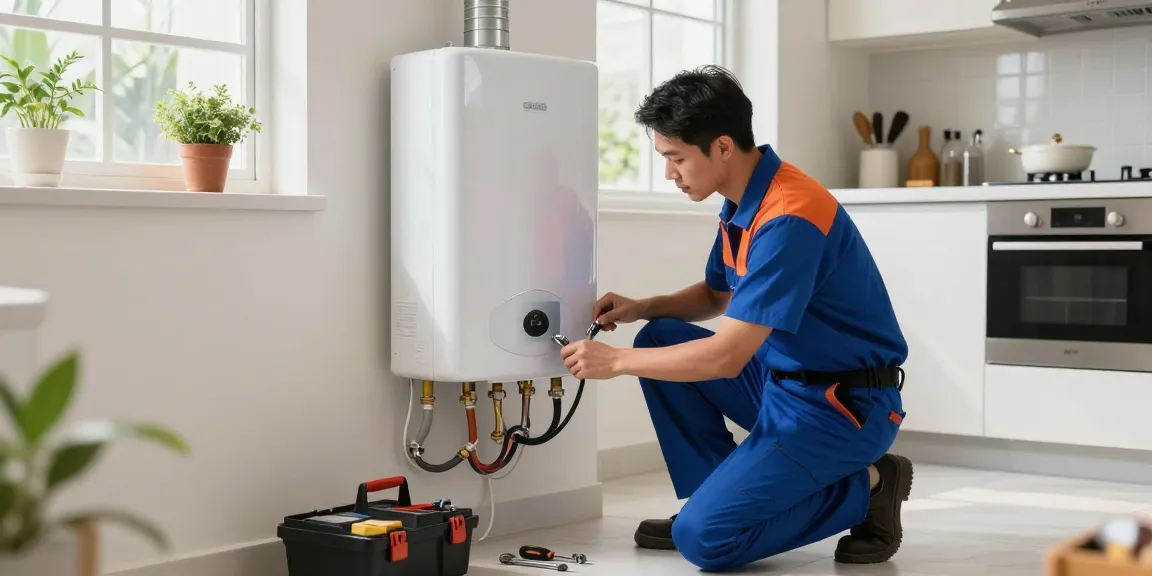
Understanding the Importance of Choosing a Local Plumber Near Me
When embarking on home renovation or maintenance projects, one of the most critical decisions homeowners face is finding a reliable service provider. In the case of plumbing, this often translates to searching for a Plumber near me. Opting for local plumbing services not only can simplify emergency repairs but also ensures that you receive personalized service tailored to your community’s specific needs. Let’s delve deeper into the advantages of choosing a local plumber, what qualifications to seek, and how to navigate the process effectively.
Benefits of Local Plumbing Services
Selecting a local plumbing service provider comes with several significant benefits:
- Familiarity with Local Codes: Local plumbers are well-versed in the plumbing codes and regulations specific to your area, enabling compliance and avoiding fines.
- Quick Response Times: Proximity means local plumbers can respond promptly to emergencies, reducing potential damage to your property.
- Community Trust: Local businesses often rely on word-of-mouth referrals, leading to a higher level of accountability and quality service.
- Supporting the Local Economy: Hiring local services supports your community and keeps jobs within the area.
- Personalized Service: Local plumbers are more likely to form personal connections with their clients, leading to tailored service that addresses specific needs.
What to Look for in a Plumber Near Me
Finding a competent plumber can seem daunting, but knowing what to look for simplifies the process. Here are key factors to consider:
- Experience: Look for a plumber with significant experience in residential plumbing.
- Licensing and Insurance: Check that your plumber is licensed and carries adequate insurance to protect you from liability.
- Specializations: Identify a plumber who specializes in the specific service you require, such as installations, repairs, or emergencies.
- Customer Reviews: Assess feedback from previous clients to gauge the quality of service provided.
- Guarantee of Work: A reputable plumber should offer warranties for their work, ensuring peace of mind for the homeowner.
How to Verify Plumbing Licenses and Insurance
To ensure you’re hiring a qualified plumber, verifying their credentials is crucial. Follow these steps:
- Contact Local Registration Authorities: Reach out to your local government or licensing board to confirm the plumber’s licensing status.
- Request Proof of Insurance: Ask for a copy of the plumber’s liability insurance to confirm that you are protected if accidents occur during the job.
- Check for Complaints: Look up any past complaints or disciplinary actions taken against the plumber.
- Confirm Bonding: If applicable, ensure that the plumber holds a surety bond, which can protect clients from incomplete or unsatisfactory work.
Common Plumbing Issues and Their Solutions
Every homeowner faces plumbing problems at some point. Understanding common issues and their solutions is essential in maintaining your home’s plumbing system.
Identifying Signs of Leakages
Detecting a leak early can save you money and prevent water damage. Here are signs to look for:
- Unexplained increases in water bills.
- Moldy or damp spots on walls or ceilings.
- Water pooling around your home’s foundation.
- A consistent sound of running water even when fixtures are off.
Upon noticing these signs, it’s critical to contact a qualified plumber promptly to assess and remedy the situation.
Handling Clogged Drains Effectively
Clogged drains are a common nuisance. Here are steps to address them:
- Use a Plunger: A standard plunger can help unblock the drain in most cases. Ensure a tight seal before plunging.
- Pour Hot Water: For minor clogs, boiling water can melt grease or soap buildup in pipes.
- Natural Remedies: A mixture of baking soda and vinegar can break down organic material.
- Seek Professional Help: If clogs persist, it’s time to consult a plumber for further inspection and potential pipe cleaning services.
Emergency Plumbing Situations and Responses
In plumbing emergencies, swift action is crucial to mitigate damage. Here’s how to handle common emergencies:
- Burst Pipes: Immediately shut off the main water supply. Then, call a plumber for urgent repairs.
- Sewer Backups: Identify if the backup affects only your home or the neighborhood and contact a plumber promptly.
- Water Heater Failures: If you suspect a water heater is malfunctioning, ensure the power supply is turned off before calling for assistance.
- Overflowing Toilets: Turn off the water supply to the toilet and avoid flushing until a plumber can address the issue.
How to Get Accurate Estimates from a Plumber Near Me
Understanding how to get accurate cost estimates is crucial for budgeting plumbing services effectively. Here are actionable steps:
Understanding Cost Factors in Plumbing
Plumbing costs can vary based on several factors, including:
- Type of Service: Repair, installation, or inspection services all come with different pricing.
- Material Costs: Prices for materials required can fluctuate based on quality and market conditions.
- Severity of Issue: More complex problems will naturally incur higher labor costs.
- Travel Time: Account for travel time if the plumber is coming from a distant location.
Getting Quotes from Multiple Plumbers
Gathering multiple estimates is a wise way to ensure fairness. Follow these guidelines:
- Outline Your Needs: Clearly describe the plumbing issues you need assistance with.
- Request Written Quotes: Always ask for written estimates that detail labor, materials, and potential extra charges.
- Compare Offers: Assess the quotes for both price and service detail to make an informed choice.
Evaluating Value Beyond Cost
While price is an important factor, considering value adds a layer of protection to your investment. Here’s how to evaluate it:
- Quality of Service: Look for plumbing services with proven track records rather than just the lowest price.
- Warranty Options: A longer warranty period often signifies that a company stands behind its work.
- Feedback from Past Clients: Seek reviews and testimonials to better understand client satisfaction.
Customer Reviews and Recommendations: Finding a Plumber Near Me
Leveraging feedback from past clients is invaluable in the search for a qualified plumber. Here’s how to effectively utilize reviews:
Where to Find Reliable Reviews
Discovering trustworthy reviews can be streamlined through these channels:
- Google My Business: Local listings often contain client reviews and ratings.
- HomeAdvisor: This platform aggregates customer feedback on home service providers.
- Yelp: A popular site for comprehensive service reviews across diverse industries.
Using Social Media for Recommendations
Social media platforms can serve as informal networks for gathering recommendations. Consider these tips:
- Post inquiries on community pages soliciting suggestions for local plumbers.
- Engage with local groups or forums focused on home improvement.
- Monitor discussion threads where customers share experiences with local service providers.
Questioning Past Clients for Insights
Identifying trustworthy sources may involve reaching out directly to those who have hired local plumbers:
- Ask neighbors or friends for recommendations based on firsthand experiences.
- Inquire about specific aspects of service, such as responsiveness and work quality.
- Seek whether they would hire the plumber again for future needs.
Preventive Measures to Reduce Plumbing Issues
Investing time in preventive maintenance can save homeowners from costly plumbing problems overall. Here are actionable tips:
Regular Maintenance Tips
Implementing regular plumbing maintenance practices can help identify and resolve minor issues before they escalate. Consider the following:
- Schedule Annual Inspections: Before the seasons change, ensure your plumbing system is running optimally.
- Flush Your Water Heater: Remove sediment buildup every year to prolong lifespan and efficiency.
- Check for Leaks: Regularly inspect fixtures and pipes, replacing worn components as necessary.
DIY Solutions for Minor Plumbing Problems
For minor plumbing issues, DIY solutions can save money while empowering homeowners. Here are some effective approaches:
- Unclogging Drains: Use a snake or a mixture of baking soda and vinegar to clear clogs.
- Fixing Dripping Faucets: Replace worn-out washers or O-rings as a common fix for drips.
- Adjusting Water Pressure: Utilize pressure regulators or consult a plumber for persistent high pressure.
When to Call a Professional Plumber Near Me
Some plumbing issues are too complex for DIY solutions. Knowing when to contact a plumber can save time and frustration:
- Persistent Clogs: If you’ve attempted multiple methods without success, it’s time for a professional assessment.
- Structural Damage: Water-damaged walls or ceilings often signal severe issues that need immediate professional intervention.
- Gas Line Work: Never attempt to repair gas lines without the expertise of a licensed plumber.
Frequently Asked Questions
1. What factors impact plumbing costs?
Costs are influenced by service type, material quality, labor time, and complexity of the issue at hand.
2. How can I find trusted plumbers near me?
Seek local reviews, ask for personal recommendations, and verify credentials before hiring.
3. When should I hire a plumber?
For complex issues, persistent problems, or safety concerns such as gas lines or major leaks, consult a plumber.
4. Are DIY plumbing repairs effective?
They can be for minor issues, but it’s crucial to recognize limitations and seek professional help when necessary.
5. What maintenance tips can prevent plumbing emergencies?
Regular inspections, flushing water heaters, and leak checks can significantly reduce emergency plumbing needs.