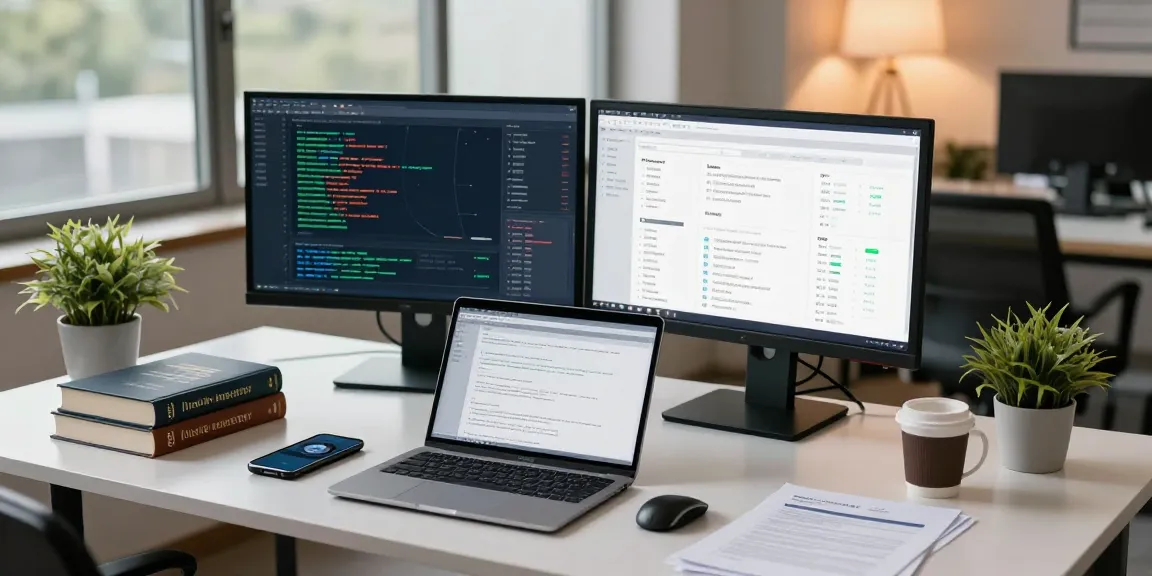
Understanding Futures Trading VPS
In the fast-paced world of futures trading, having the right tools and infrastructure can make all the difference. A Virtual Private Server (VPS) specifically designed for futures trading offers traders the speed, reliability, and security needed to execute trades efficiently. With ultra-low latency and powerful server configurations, such as those powered by the AMD Ryzen 9 9950X, a dedicated trading VPS ensures that your trading operations run smoothly, even during periods of high market volatility. When exploring options, futures trading VPS solutions provide comprehensive insights into optimizing your trading experience.
What is Futures Trading VPS?
A Futures Trading VPS is a specialized virtual server designed to host trading platforms used by futures traders. Unlike standard VPS services, which may not be optimized for the unique demands of trading, a futures trading VPS is equipped with hardware and software tailored to support high-frequency trading and algorithmic strategies. The primary goal of utilizing such a VPS is to minimize latency, enhance execution speed, and provide traders with a stable and secure environment to execute their trades.
How Futures Trading VPS Enhances Performance
The performance of a futures trading VPS directly impacts a trader’s ability to react to market changes. Latency refers to the time it takes for data to travel between the trader’s system and the financial exchange. By employing a VPS located close to the financial data centers, traders can achieve remarkably lower latency, which is crucial for executing trades promptly and efficiently. Moreover, a dedicated CPU, like the Ryzen 9 9950X, supports superior processing power, allowing for multiple trades and fast data handling.
Key Features of an Effective Futures Trading VPS
- Ultra-low latency: Essential for high-frequency trading, minimizing delays ensures better order execution.
- High-performance hardware: Featuring powerful CPUs such as AMD Ryzen 9 9950X, which enhances computational speed.
- Advanced network connectivity: Reliable data pipelines ensure fast uploads and downloads, critical for real-time trading.
- 99.999% uptime: Any downtime can result in missed trading opportunities; hence, a reliable VPS must guarantee maximum uptime.
- DDoS protection: Enhanced security measures protect against malicious attacks that can disrupt trading activities.
Benefits of Using a VPS for Futures Trading
Improved Latency and Speed
One of the most significant advantages of using a VPS for futures trading is the improved latency and speed. Traditional methods of trading via personal computers may introduce delays due to various factors, including internet speed and hardware limitations. A VPS, located strategically near major financial servers, can significantly reduce these latency issues, providing traders with the quick response times needed for successful trading. This reduction in latency ensures that traders can enter and exit positions at the best possible prices.
Increased Security for Traders
Security is paramount in online trading. A VPS enhances security by providing a dedicated, isolated environment for trading activities. With features like advanced firewalls, data encryption, and DDoS protection, traders can rest assured that their trading strategies and data remain secure from external threats. Additionally, VPS host providers often implement regular backups and updates to protect user data, adding an extra layer of security.
Consistent Uptime and Reliability
Uptime is critical in trading; even a few seconds of downtime can have significant financial repercussions. A dedicated trading VPS typically boasts an uptime guarantee of 99.999%, ensuring that traders can access their trading platforms at all times, regardless of market conditions. This reliability is essential for those who engage in high-frequency or algorithmic trading, where every millisecond counts.
Choosing the Right VPS Provider for Futures Trading
Criteria for Selecting a Futures Trading VPS
When selecting a VPS provider for futures trading, consider the following criteria:
- Latency and server location: Choose a provider with data centers located near major exchanges to minimize latency.
- Hardware specifications: Opt for VPS services that feature high-performance CPUs and adequate RAM to handle trading applications effectively.
- Security measures: Evaluate the security protocols implemented by the provider, including DDoS protection and data encryption.
- Customer support: Look for providers that offer 24/7 customer support to address any technical issues or queries.
Comparing Top VPS Providers
When comparing VPS providers, it is essential to evaluate their offerings against your specific trading needs. Consider factors such as pricing, features, and client reviews. Companies like TradoxVPS and others provide tailored solutions specifically for futures traders, offering unique benefits that can enhance your trading performance. Look for providers that have a track record of reliability and excellent customer service.
Understanding Pricing Models for Futures Trading VPS
Pricing for VPS services can vary significantly based on the features and specifications offered. Common pricing models include:
- Monthly subscriptions: Many providers offer plans based on monthly billing cycles, allowing traders to choose a plan that fits their budget.
- Pay-as-you-go options: Some VPS services allow for usage-based billing, which can be beneficial for traders who require flexibility.
- Long-term contracts: Opting for a longer commitment can often result in lower monthly fees and additional benefits.
Setting Up Your Futures Trading VPS
Step-by-Step Guide to VPS Installation
Setting up your VPS for futures trading typically involves the following steps:
- Select a VPS plan: Choose a plan that meets your trading requirements based on performance specifications.
- Purchase and configure: After purchasing, follow the provider’s instructions to configure your server.
- Install trading software: Download and install the required trading platform software such as MetaTrader or NinjaTrader.
- Test your setup: Conduct thorough tests to ensure everything is functioning correctly before trading live.
Optimizing Your VPS for Trading Platforms
To get the best performance from your VPS, optimization is crucial. Some optimization tips include:
- Disable unnecessary services: Limit resource consumption by disabling services that aren’t required for trading.
- Regularly update software: Keep your trading platform and VPS operating system up to date to ensure stability and security.
- Monitor performance: Use performance monitoring tools to ensure that your VPS runs smoothly without lag or downtime.
Common Configuration Mistakes to Avoid
When configuring your VPS, be careful to avoid common pitfalls such as:
- Neglecting to secure your server, which can expose it to cyber threats.
- Overloading the server with too many applications, which can lead to performance issues.
- Failing to back up your trading data regularly, risking loss of vital information during outages.
Future Trends in Futures Trading VPS (2026 and Beyond)
Emerging Technologies Impacting VPS Performance
The VPS landscape is continually evolving, with emerging technologies playing a significant role in shaping future performance. Innovations such as cloud computing, enhanced artificial intelligence algorithms, and advanced network architecture are likely to influence how VPS providers optimize their services. These developments will enable even lower latency and increased processing power for trading operations.
Predicted Changes in Trader Needs
As trading becomes more sophisticated, trader needs will also evolve. An increasing number of traders are likely to rely on automated trading systems and AI-powered algorithms, necessitating VPS solutions that not only support these tools but also enhance their performance through advanced hardware and configurations.
How to Stay Ahead with Innovative VPS Solutions
To remain competitive, traders should continually evaluate their VPS options and stay updated with advancements in VPS technology. Keeping informed about market trends and feedback from the trading community can provide valuable insights into optimizing trading strategies and ensuring that the chosen VPS solution aligns with changing needs.
What is a Trading VPS and its Importance?
A Trading VPS is a virtual server that allows traders to operate their trading platforms remotely and efficiently. Its importance lies in its ability to provide consistent performance, less latency, and enhanced security, which are crucial for success in the fast-moving trading environment.
How quickly can I get started with a Futures Trading VPS?
Most VPS providers can provision your server within minutes of purchase, allowing you to get started almost immediately. However, ensure you take adequate time to configure and optimize your server before executing live trades.
Are there specific trading platforms best suited for VPS?
Yes, many popular trading platforms, such as MetaTrader 4/5, NinjaTrader, and TradingView, are optimized for use with VPS solutions. These platforms leverage server capabilities to enhance trading performance and reliability.
Can I use a Futures Trading VPS for other trading types?
Absolutely. While a VPS might be tailored for futures trading, many platforms and configurations support trading for various assets, including forex, stocks, and cryptocurrencies, providing flexibility for multi-market trading strategies.
What support does a VPS provider offer for traders?
Reputable VPS providers offer a range of support options, including 24/7 technical support, detailed documentation, and troubleshooting assistance, ensuring that traders can resolve any issues quickly and efficiently.