Understanding Kling Motion Technology
In the rapidly evolving landscape of video production, the integration of artificial intelligence has revolutionized how content creators bring their ideas to life. One standout technology in this arena is Kling motion, a powerful platform that allows users to create stunning, lifelike animations from static images. By leveraging advanced AI algorithms, Kling motion proficiently transforms still images into dynamic videos, offering features that ensure high fidelity and natural movement, all within a user-friendly interface.
What is Kling Motion and its Core Features?
Kling Motion is an innovative AI tool designed for the seamless conversion of images into videos. Its core features include:
- Accurate Motion Path Control: Users can dictate the movement of characters in a precise manner, creating animations that closely mimic real-life motions.
- Character Identity Preservation: The platform maintains facial features and clothing consistency throughout the video, ensuring that the character remains recognizable.
- Photorealistic Outputs: Kling’s advanced rendering engine produces high-resolution videos with natural textures and lighting, rivaling traditional CGI quality.
- Fast Video Generation: Kling Motion’s optimized performance allows for rapid video creation, significantly reducing the time from concept to final output.
How Kling Motion Enhances Video Creation
Kling Motion enhances video creation by providing creators with tools to define clear motion paths, allowing for more complex animations with less manual intervention. This not only saves time but also improves the quality of the final product. The ability to upload a reference video alongside the static image helps the AI understand motion dynamics better, leading to more realistic animations.
The Technology Behind Kling Motion: An Overview
The underlying technology of Kling Motion involves deep learning algorithms that analyze motion patterns from reference videos and apply them to still images. This sophisticated approach allows for nuanced movements, making animations not just fluid but also emotionally resonant. By utilizing a combination of computer vision and motion tracking, Kling Motion transforms animation into an accessible art form, allowing anyone, regardless of their technical background, to create professional-grade videos.
Getting Started with Kling Motion
Creating videos with Kling Motion is straightforward, even for those new to AI design tools. Follow these steps to get started:
Setting Up Your Workspace for Kling Motion Projects
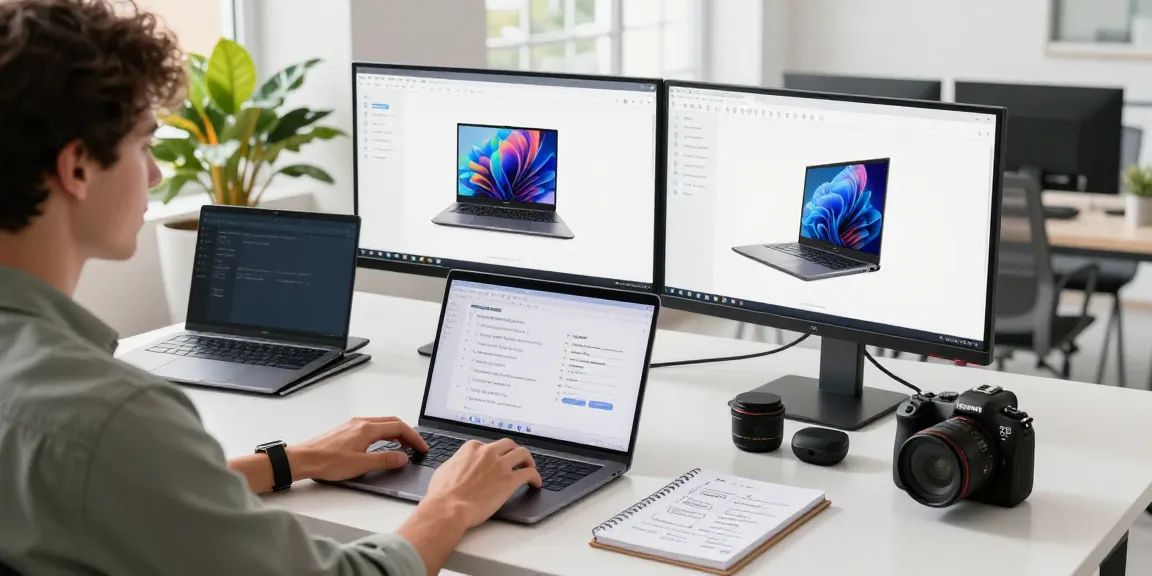
Before you dive into creating videos, ensure your workspace is properly set up. A computer with sufficient processing power is essential, as rendering videos can be resource-intensive. Additionally, familiarize yourself with the Kling Motion interface, which is designed to be intuitive for users at all experience levels.
Key Requirements for Optimal Performance
To achieve optimal performance, users should have:
- A computer with at least 16GB of RAM
- A modern graphics card to support high-resolution rendering
- Stable internet connectivity for uploading images and reference videos
- The latest version of supported browsers for running the application smoothly
First Steps: Uploading Images and Reference Videos
The initial step in creating your video is to upload the character image and a reference video. Ensure that the image is of high quality and includes enough context, such as background space for the motion to be visible. Reference videos should have clear motion and controlled speed to maximize the accuracy of the output.
Creating Impactful Videos with Kling Motion
Now that you have your workspace set up and have uploaded your materials, it’s time to create videos that capture attention.
Mastering Motion Path Control for Best Results
Effective use of motion path control is crucial for producing engaging videos. Users can define the trajectory of movements for both characters and camera angles. This precision allows for dynamic storytelling, enhancing the viewer’s experience. Experiment with different paths and speeds to find the perfect rhythm for your animations.
Preserving Character Identity: A Step-by-Step Guide
To ensure character integrity throughout the video:
- Choose high-quality, full-body or half-body images that align well with the reference motion.
- Upload motion clips that match the character’s orientation and action style.
- Review the generated video to confirm facial features and clothing are consistent and recognizable.
Leveraging Text Prompts to Enhance Output Quality
Text prompts can significantly enhance the quality of the generated video. By describing actions, atmosphere, and camera movements, users can guide the AI to produce results that align with their creative vision. This feature allows for more control over the animation’s mood and dynamics, making the final product more impactful.
Advanced Applications of Kling Motion
Once you’re comfortable using Kling Motion, consider exploring its advanced applications to elevate your projects further.
Using Kling Motion for Complex Animations
For animations that require intricate movements, such as dance routines or fight sequences, Kling Motion’s advanced controls allow you to manage and synchronize multiple actions. Single-frame adjustments can help refine movements, ensuring every detail aligns perfectly with your vision.
Creating Viral Content: Tips and Tricks
To create content that resonates with audiences and has the potential to go viral:
- Incorporate trending themes or challenges to engage viewers.
- Utilize humor or emotional storytelling to make your video more relatable.
- Optimize the video length for social media platforms, aiming for short yet impactful clips.
Real-World Case Studies of Successful Projects
Several creators have successfully leveraged Kling Motion to produce captivating content. For instance, a marketing campaign for a local dance studio utilized the platform to animate pictures of dancers practicing, resulting in beautifully crafted promotional videos that significantly increased engagement.
The Future of Video Creation with Kling Motion
As AI technology continues to evolve, so too does the potential for enhanced video creation through platforms like Kling Motion.
Emerging Trends in AI Motion Control for 2026
The future of AI motion control looks promising, with trends indicating increased personalization in animations. Future iterations of Kling Motion may incorporate user feedback mechanisms to tailor animations even more closely to individual preferences and styles.
Predictions for the Evolution of Kling Motion
Anticipate developments that will extend Kling Motion’s capabilities, such as more robust integration with VR and AR technologies, enabling users to craft immersive experiences that blur the lines between reality and animation.
How to Stay Ahead in the Competitive Landscape
To remain competitive in the fast-paced video production industry, creators should keep abreast of technological advancements and continuously refine their skills. Engaging with communities, attending workshops, and experimenting with new features of Kling Motion will ensure you harness the full potential of this powerful tool.
Frequently Asked Questions
Can I Use Kling Motion for Commercial Projects?
Yes, Kling Motion can be utilized for commercial projects. However, it’s advisable to review the licensing agreements to ensure compliance with commercial use terms.
How Fast is Video Generation with Kling Motion?
Video generation speed can vary based on the complexity of the project and the hardware utilized. However, many users report generating videos in just a few minutes.
Does Kling Motion Support Facial Expression Changes?
Indeed, Kling Motion supports subtle facial expression changes, allowing for more lifelike and expressive characters in your animations.
What Image Settings Yield the Best Motion Control Results?
For optimal results, ensure your images are clear and high-resolution. The framing must align with motion clips to maintain consistency across the animation.
How Does Kling Motion Compare to Other Models?
Kling Motion stands out due to its precise motion control, character identity preservation, and photorealistic output, making it a preferred choice among professionals in the animation field.