
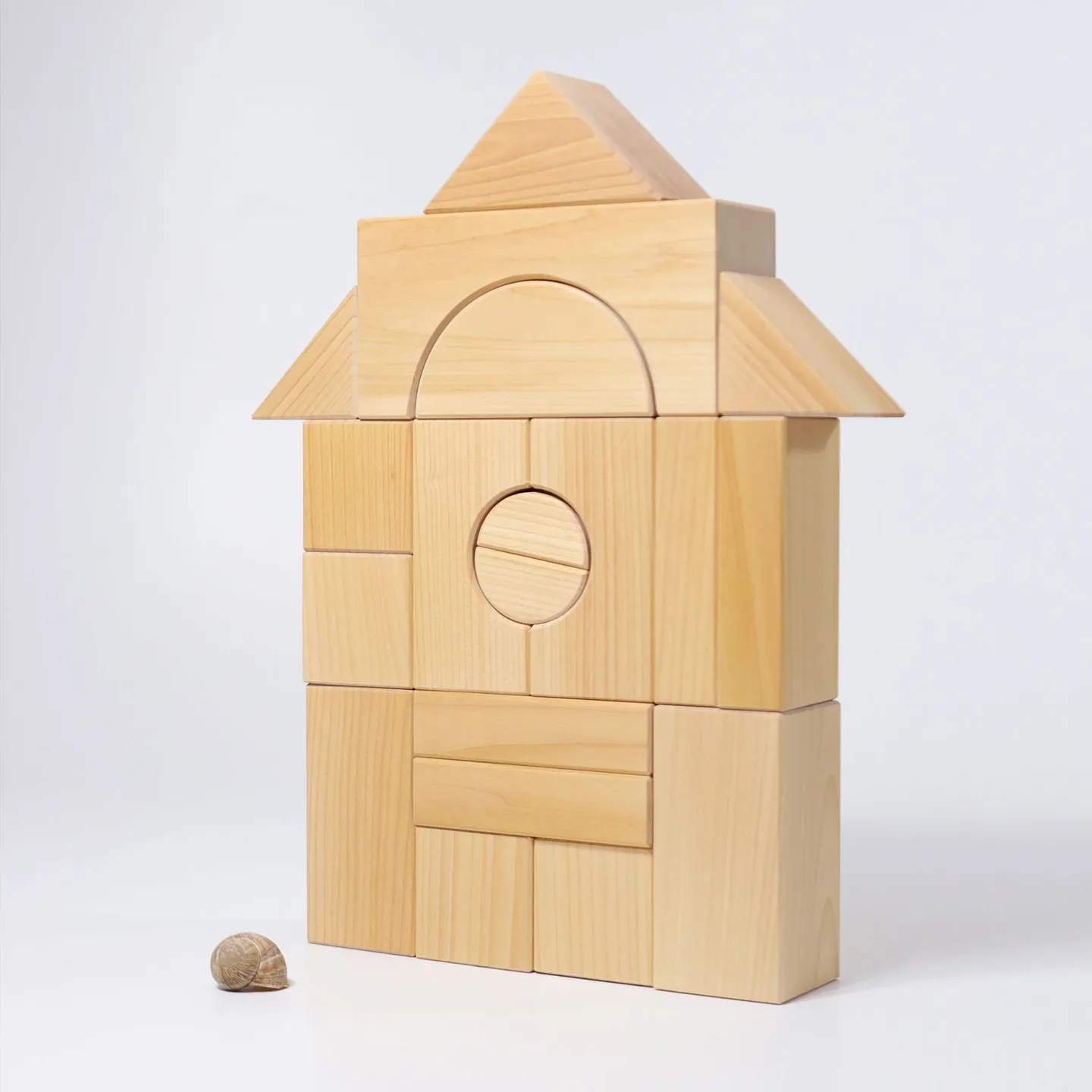
Giant Building Blocks made from suitable foam materials can give children an engaging way to explore construction, creativity, and imaginative play in a comfortable environment. Giant Building Blocks allow young builders to create towers, houses, forts, bridges, walls, and pretend-play spaces without the complexity of traditional construction toys. Giant Building Blocks can be particularly appealing because appropriately designed foam pieces are lightweight and easy for children to handle. When selected according to age recommendations and used as directed, Giant Building Blocks can provide a flexible activity that combines hands-on learning with creative exploration.
What Is Foam Construction?
Foam construction uses lightweight building pieces designed to be arranged, stacked, or connected to form different structures. Depending on the product, foam blocks may have different shapes, sizes, textures, and densities.
The appeal of foam construction comes from its versatility. Children can experiment with structures without needing complicated tools or instructions. They can create a design, take it apart, and immediately begin building something different.
Why Foam Is Popular for Children's Play
Foam can be soft and lightweight compared with many conventional construction materials. This may make appropriately designed foam building pieces easier for children to lift and reposition.
However, not every foam product is suitable for children or for every type of construction. Parents should always check the manufacturer's product information, recommended age range, intended use, and safety guidance.
Benefits of Giant Building Blocks for Foam Construction
Construction play can support physical, cognitive, and creative development. Large foam pieces can add another dimension by allowing children to create bigger structures using materials that are generally easy to move. For more information about large building blocks for kids, explore their features, benefits, age suitability, and role in encouraging imaginative and educational play.
Encouraging Hands-On Creativity
Giant Building Blocks give children the freedom to decide what they want to construct. They can experiment with different shapes, arrangements, and combinations rather than following a single predetermined design.
This open-ended format can encourage imagination. A set of foam pieces might become a castle one day, a pretend shop the next, and a spaceship after that.
Supporting Motor Skills
Picking up, positioning, stacking, and moving construction pieces can help children practice coordination. Larger pieces may also encourage children to use both hands and move around the construction area.
Giant Building Blocks can combine physical movement with creative thinking, giving children an opportunity to develop skills while participating in enjoyable play.
Building Safely With Foam
Foam construction should always be approached with safety in mind. Parents should select products specifically intended for children's use and follow all manufacturer instructions.
The play environment is also important. Children should have enough room to move around their structures without bumping into furniture or other objects.
Choose Age-Appropriate Foam Blocks
Different foam products are designed for different ages and activities. Some may be intended for toddlers, while others are designed for older children.
Giant Building Blocks should be chosen based on the child's developmental stage and the manufacturer's recommendations. Parents should check whether the product is designed for stacking, connecting, climbing, or other specific activities rather than assuming that every large foam piece can safely be used for those purposes.
Inspect Materials Regularly
Before play, examine foam pieces for significant tears, damaged surfaces, detached components, or other problems. Damaged pieces should be removed from use.
Proper storage can also help preserve foam construction materials. Keep them according to the manufacturer's care instructions.
Creative Foam Building Ideas
Foam construction can support a wide range of projects. Children can start with simple structures and gradually experiment with more complex designs.
Build a Foam Castle
A castle is an excellent project for imaginative builders. Children can arrange large pieces into walls, towers, entrances, and rooms.
Giant Building Blocks can help create a physical setting for pretend adventures. Once the castle is complete, children can invent characters, stories, and missions around it.
Create a Soft Play Town
Children can build houses, shops, garages, schools, and other structures to create a pretend town. Add age-appropriate toy figures or vehicles to extend the activity.
A town-building project can encourage children to think about how buildings connect and how different spaces serve different purposes.
Make an Animal Shelter
Invite children to construct a home for stuffed animals or suitable toys. They can create separate spaces for different animals and design entrances, resting areas, or play zones.
This activity combines construction with nurturing pretend play and storytelling.
Learning Through Foam Construction
Building with foam pieces can introduce children to basic concepts involving balance, shape, size, and spatial relationships.
Exploring Balance and Stability
Children learn through experimentation when they discover that some structures are more stable than others. A wider foundation may provide greater stability than a narrow arrangement.
Giant Building Blocks give children a hands-on opportunity to explore these concepts. They can adjust their designs and observe how small changes affect the overall structure.
Developing Spatial Awareness
Children need to understand where pieces fit in relation to one another. They may rotate blocks, compare sizes, and determine how much space a structure requires.
These activities can support spatial reasoning while remaining playful and engaging.
Foam Blocks and Imaginative Play
Construction becomes even more valuable when combined with pretend play. Children can transform their structures into settings for stories and adventures.
A simple wall can become part of a fortress, while a group of blocks can represent a train station or space center.
Giant Building Blocks give children the flexibility to change their imaginary environment whenever their story develops in a new direction.
Encouraging Storytelling
Parents can ask questions that help children expand their stories. Who lives in the building? Where does the bridge lead? What happens inside the castle?
These prompts encourage language development and creative thinking without taking control of the child's project.
Building With Siblings and Friends
Foam construction can also become a cooperative activity. Multiple children can work on a shared project, with each child responsible for a different section.
One child might construct a tower while another builds a wall or entrance.
Giant Building Blocks can support teamwork by giving children plenty of opportunities to share materials, communicate plans, and combine individual ideas into one larger creation.
Learning to Cooperate
Group building requires children to negotiate and make decisions together. They may need to agree on where a structure should go or how different sections should connect.
These experiences can help children practice turn-taking, communication, patience, and respectful collaboration.
Creating an Organized Construction Area
An organized play environment makes it easier to enjoy foam construction. Choose a clear area with sufficient space for building and movement.
A designated construction zone can also help children understand where large projects should take place.
Easy Storage Solutions
Foam pieces can often be stored in large baskets, shelves, or containers, depending on their size and the manufacturer's recommendations.
Giant Building Blocks should be stored in a clean, suitable location that helps prevent unnecessary damage. Teaching children to clean up after play also encourages responsibility.
Maintaining a Safe Play Routine
Parents can establish simple guidelines before construction begins. Children should understand how to handle pieces appropriately and avoid unsafe behaviors.
If a structure becomes unstable, children should dismantle it carefully rather than climbing or pulling aggressively on it unless the product is specifically designed for such activity.
Giant Building Blocks should be used only for their intended purpose and according to product instructions.
Keeping Foam Construction Interesting
Children can use the same materials for many different activities. Parents can introduce new themes when a child needs inspiration.
Try building a farm, airport, fire station, fantasy kingdom, animal park, or transportation center. Each theme provides a different creative challenge.
Giant Building Blocks are especially useful for this kind of open-ended play because children can continually rebuild and modify their creations.
Frequently Asked Questions
1. Are Giant Building Blocks suitable for foam construction?
They can be suitable when the specific blocks are made from child-appropriate materials and designed for construction play. Always check the manufacturer's instructions, age recommendations, and intended use.
2. Why choose foam building blocks?
Appropriately designed foam blocks can be lightweight and easy to handle, making them useful for certain children's construction activities. Their suitability depends on the specific product and its intended purpose.
3. Can children climb on foam structures?
Only when the specific product is explicitly designed and approved for climbing or supporting body weight. Large foam pieces should not automatically be treated as climbing equipment.
4. What can children build with foam blocks?
Children can create houses, castles, towers, walls, bridges, animal shelters, pretend shops, cities, and other imaginative structures, depending on the available pieces.
5. How should foam building blocks be maintained?
Inspect them regularly for damage and clean or store them according to the manufacturer's care instructions. Remove damaged pieces from play and keep the construction area organized.
Conclusion
Foam construction offers children an enjoyable way to combine creativity, movement, imagination, and hands-on learning. With suitable materials and a carefully prepared environment, construction play can become an engaging part of a child's daily routine.
Giant Building Blocks provide young builders with flexible pieces that can be transformed into castles, houses, towns, bridges, animal shelters, and countless imaginative creations. Their large format can encourage children to think about space, balance, structure, and design while developing coordination and problem-solving skills.
Safety should always come first. Parents should select age-appropriate products, follow manufacturer guidance, inspect materials regularly, and ensure that children use the pieces only as intended.
When these principles are followed, Giant Building Blocks can provide an enjoyable foundation for creative foam construction. Children can experiment, rebuild, collaborate, and create new stories every time they play.
For families seeking hands-on entertainment, foam construction offers a valuable alternative to passive activities. Giant Building Blocks can turn a simple collection of soft construction pieces into an entire world of creative possibilities while giving children opportunities to learn through active exploration.