Understanding Refurbished PCs: What You Need to Know
In an ever-evolving tech landscape, the demand for affordable yet high-quality computing solutions has surged. Enter refurbished PCs, a viable alternative for individuals and businesses alike looking to maximize value without compromising on performance. Refurbished desktop computers offer an ideal balance between cost-effectiveness and reliability, particularly when sourced from reputable suppliers. When exploring options, Refurbished pc solutions not only come with a Microsoft Certificate of Authenticity (COA) but also ensure a trustworthy investment, allowing users to enjoy a seamless computing experience.
What is a Refurbished PC?
A refurbished PC is a computer that has been previously owned, returned, or used but restored to a like-new condition. This process typically involves extensive testing, cleaning, repairs, and upgrades as necessary to ensure optimal performance. These devices may have been returned due to minor cosmetic issues, hardware upgrades, or simply because the original buyer changed their mind. Purchasing a refurbished PC means acquiring a product that has passed rigorous quality checks, ensuring reliability and functionality.
Benefits of Choosing Refurbished PCs
- Cost Savings: Refurbished PCs are generally much more affordable than buying brand-new models, providing significant savings without sacrificing quality.
- Environmentally Friendly: Opting for refurbished technology reduces electronic waste, promoting a more sustainable approach to computing.
- High-Quality Standards: Refurbished PCs often come with warranties, allowing users to enjoy peace of mind similar to buying new hardware.
- Access to Older Models: For users who need specific software or hardware configurations that are no longer available in new models, refurbished PCs offer a great alternative.
Common Misconceptions About Refurbished Products
Despite the myriad benefits, misconceptions about refurbished products persist. Many believe that these PCs are unreliable or performance-deficient compared to new devices. However, the refurbishment process involves stringent quality checks and repairs that can lead to enhanced performance in many cases. It’s also crucial to purchase from reputable sources to ensure the quality and reliability of the product.
High-Quality Standards: Why Certification Matters
When it comes to purchasing refurbished PCs, certification is a cornerstone of quality assurance. A Microsoft Certificate of Authenticity (COA) signifies that the operating system is genuine and legally licensed. This not only safeguards the user against potential security threats associated with counterfeit software but also enhances the overall performance of the system.
What is a Microsoft Certificate of Authenticity?
The Microsoft COA is a label that confirms that the software installed on a device is genuine and has been approved by Microsoft. Each COA carries a unique key that allows the operating system to activate and receive support and updates. This is particularly important for refurbished PCs, as it guarantees users access to the latest security updates and features.
The Importance of Quality Control in Refurbished PCs
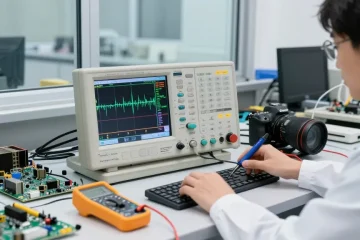
Quality control is essential when assessing refurbished PCs. Every unit must undergo a comprehensive inspection to identify and resolve any potential issues. This includes testing hardware components, cleaning the internal and external parts, and ensuring all software licenses are valid. A reliable refurbishment process will often feature a multi-point inspection, ensuring that every PC meets high standards before being sold.
Comparing Certifications: What to Look For
When evaluating refurbished PCs, look for certifications that signify quality assurance. Besides the Microsoft COA, consider products certified by reputable refurbishment programs, such as TechSoup or other recognized refurbishing entities. These certifications help ensure that the product adheres to industry-specific standards and has undergone rigorous testing.
Performance Analysis: Is a Refurbished PC Right for You?
Understanding your computing needs is vital in determining whether a refurbished PC is the right choice. Different user profiles require varying levels of performance, from casual browsing to heavy-duty gaming. Analyzing these requirements can help in making an informed decision that matches both budget and performance expectations.
Evaluating Your Specific Needs and Usage
Begin by assessing your usage patterns. Are you primarily using the PC for basic tasks like web browsing and document editing, or do you plan to engage in resource-intensive applications like graphic design or gaming? This self-assessment will guide you in selecting a refurbished model that meets your specific needs.
Comparative Performance: Refurbished Vs. New PCs
While new PCs often come with the latest hardware, refurbished models can offer competitive performance for everyday tasks. In many cases, high-end refurbished PCs equipped with sufficient RAM and processing power can outperform entry-level new models, making them an excellent choice for budget-conscious consumers.
How to Assess Performance Metrics
To ensure you’re investing in a capable machine, review performance metrics such as processor speed, RAM capacity, and storage options. Look for specifications that meet or exceed your requirements—especially with RAM, as this directly influences multitasking capabilities. It is also prudent to consider solid-state drives (SSDs) over traditional hard drives for improved speed and responsiveness.
Choosing the Right Refurbished PC: Key Considerations
Selecting the right refurbished PC involves careful consideration of various factors, including brand reputation, warranty offers, and your personal computing needs. These elements can significantly impact your overall satisfaction and performance with the device.
Top Brands to Consider for Refurbished PCs
When it comes to refurbished PCs, certain brands are synonymous with quality and reliability. Dell, HP, and Lenovo are leading providers known for their robust refurbishment programs. These companies often ensure that their refurbished devices meet stringent quality benchmarks, making them trustworthy options.
Refurbishment Processes: What to Expect
The refurbishment process can vary significantly between manufacturers and sellers. Generally, the best practices include thorough testing, repair of any faulty components, upgrades, and aesthetic detailing. Learning about the refurbishment process can help you choose a provider that prioritizes quality.
Warranty and Support: What Should Be Included?
One of the most critical aspects to consider is the warranty provided with the refurbished PC. A standard warranty period of at least one year is a good benchmark, with many reputable vendors offering up to two years. Additionally, confirm that customer support is readily available should you encounter issues.
Future Trends in Refurbished Technology: What to Look For in 2026
The refurbished technology market is evolving, with trends indicating a growing acceptance and demand for refurbished PCs. This shift is largely driven by sustainability awareness and the financial advantages of refurbished products.
Emerging Technologies in Refurbished PCs
As technology advances, refurbished PCs are increasingly integrating new features like enhanced connectivity options and energy-efficient components. Expect to see more refurbished models equipped with the latest processors and improved graphics capabilities, making them suitable for a broader range of applications.
Sustainability and Environmental Impact of Refurbished Products
The move towards refurbished PCs is not only financially savvy but also environmentally responsible. By choosing refurbished over new devices, consumers contribute to reducing electronic waste, encouraging sustainable practices within the tech industry. This green approach is particularly appealing to environmentally conscious consumers and businesses alike.
Predictions for Refurbished PC Market Growth
Market analysts predict that the refurbished PC sector will continue to expand rapidly in the coming years. The growing emphasis on cost-effectiveness and environmental impact will likely drive more consumers to consider refurbished options. Additionally, as technology becomes increasingly advanced, refurbished devices will see their performance capabilities enhance, making them an attractive option for a wider audience.
What Accessories Enhance Your Refurbished PC Experience?
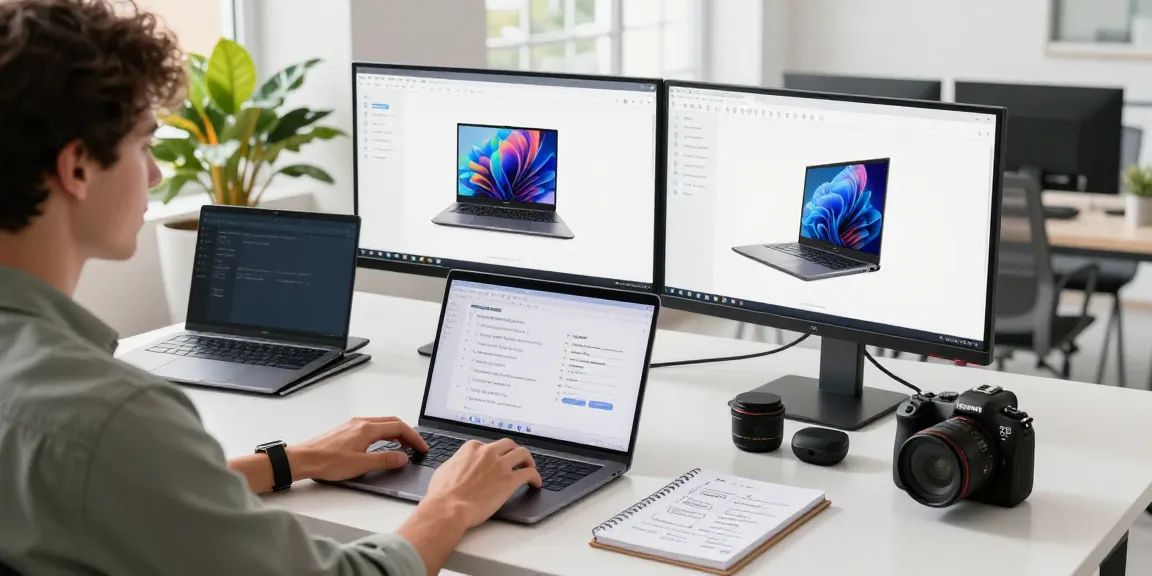
To optimize the performance of your refurbished PC, consider investing in accessories such as upgraded monitors, ergonomic keyboards, and high-speed internet routers. These enhancements can significantly improve your overall computing experience, especially if you are utilizing the PC for professional or extensive gaming use.
How to Maintain Your Refurbished PC for Longevity?
To ensure your refurbished PC remains in peak condition, regular maintenance is essential. Keep the operating system updated, perform routine virus scans, and ensure adequate ventilation to prevent overheating. Regularly cleaning the hardware exterior and interior also helps in maintaining performance.