Introduction to Cape Cod Homes
Cape Cod homes represent not only a unique architectural style but also an embodiment of American history and coastal living. Originating in the 17th century, these homes are renowned for their simplicity, practicality, and charm. With their steep roofs, dormer windows, and wood siding, they evoke a sense of nostalgia and connection to the coast. As more people seek to integrate this timeless style into their lives, the appeal of cape cod homes continues to grow. In this comprehensive guide, we will explore their historical significance, design elements, construction considerations, renovation ideas, and much more.
Historical Significance of Cape Cod Homes
The architectural style known as Cape Cod homes initially emerged as a practical solution for the harsh New England climate. The first Cape Cod homes were built by early settlers who needed sturdy structures to withstand strong winds and heavy snowfall. Grounded in the traditions of colonial architecture, these homes featured steeply pitched roofs for snow runoff and narrow frames that allowed for efficient heating. As time progressed, the style became a symbol of American heritage, representing resilience and adaptability.
Key Architectural Features
One of the most distinctive features of Cape Cod homes is their symmetrical design, often characterized by dormers and a central front door. These homes typically utilize natural materials, such as wood and stone, with weathered siding that complements their coastal surroundings. The interiors usually boast open floor plans, high ceilings, and charming fireplaces, which enhance the inviting atmosphere. This balance of aesthetics and functionality is what sets Cape Cod homes apart.
Why Choose Cape Cod Homes?
There are myriad reasons why individuals and families opt for Cape Cod homes. Firstly, their timeless design resonates with those who value both tradition and modern amenities. Additionally, the efficient use of space makes these homes versatile for various lifestyles. Whether considering a primary residence or a vacation home, the appeal of Cape Cod homes lies in their ability to create a cozy retreat while accommodating family gatherings or entertaining guests.
Design Elements of Cape Cod Homes
Exterior Design Characteristics
The exterior of Cape Cod homes often features clapboard siding or shingles painted in muted colors that blend seamlessly with the natural landscape. The traditional gable roof not only adds to the aesthetic but serves practical functions in areas prone to snowfall. Furthermore, the use of dormers creates additional living space while allowing natural light to flood the upstairs rooms. Architectural details, such as shutters and period-appropriate front porches, enhance their quaint character.
Interior Layout and Style
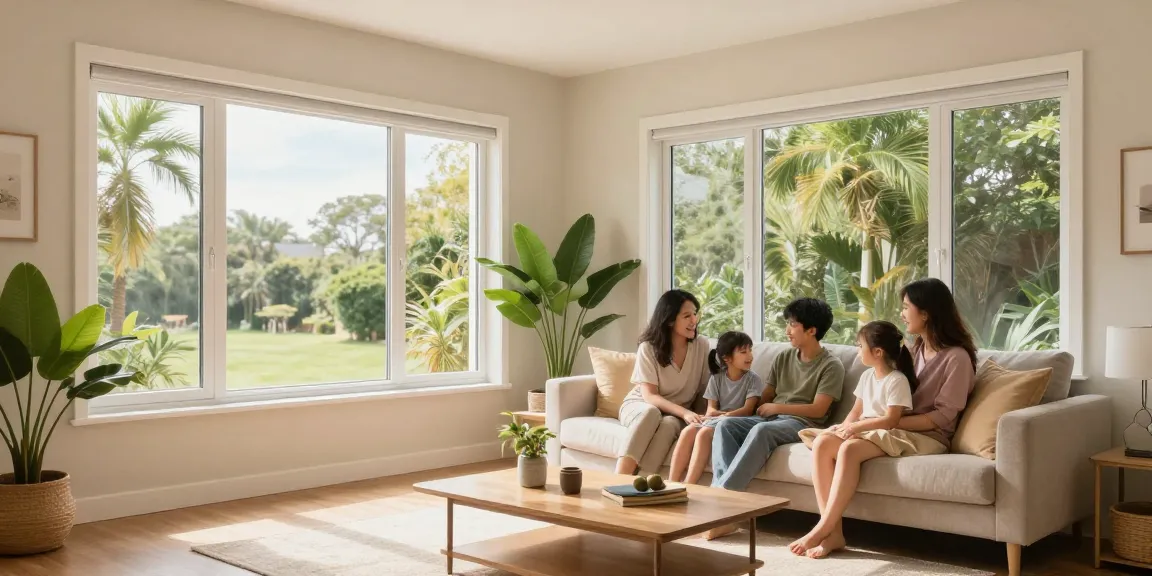
Inside, Cape Cod homes typically reflect a straightforward and functional layout, often with spaces divided by half-walls or built-in cabinetry. Living areas are designed to promote togetherness, with open spaces that flow seamlessly into kitchens and dining areas. The use of natural light is maximized through large windows, contributing to a warm and inviting atmosphere. Interior design often incorporates rustic elements like reclaimed wood, nautical motifs, and traditional textiles to enhance the coastal vibe.
Landscaping Ideas
When it comes to landscaping, Cape Cod homes can benefit from a mix of native plants that require minimal maintenance while also enhancing the natural beauty of the region. Incorporating coastal grasses, hydrangeas, and ornamental shrubs adds visual interest without overwhelming the space. Hardy perennials are a smart choice to ensure vibrant colors throughout the seasons, while pathways made of stone or gravel provide a rustic touch that fits the overall aesthetic.
Construction Considerations for Cape Cod Homes
Materials Best Suited for Durable Homes
Durability is paramount when constructing Cape Cod homes. The choice of materials is critical, with wood being commonly used for its natural beauty and insulation properties. Cedar shingles are popular for roofing due to their resistance to rot and insects. To further enhance longevity, utilizing high-quality materials and sturdy foundation types, such as poured concrete, can significantly improve structural integrity.
Energy Efficiency in Cape Cod Construction
Investing in energy-efficient construction methods is crucial for modern Cape Cod homes. This includes proper insulation, energy-efficient windows, and sustainable building practices. Insulating the roof and walls with high R-value materials can drastically reduce heating costs. Moreover, incorporating renewable energy sources, like solar panels, can make a Cape Cod home not only more environmentally friendly but also reduce overall utility expenses in the long run.
Permitting and Regulations
Navigating permitting and building regulations is another important aspect of constructing a Cape Cod home. Local zoning laws dictate specific requirements regarding home size, setbacks, and landscaping. Engaging with local authorities from the outset can simplify the process. Furthermore, understanding the environmental regulations related to coastal properties is essential to ensure compliance and protect the surrounding ecosystem.
Renovation and Expansion Ideas
Updating Classic Features
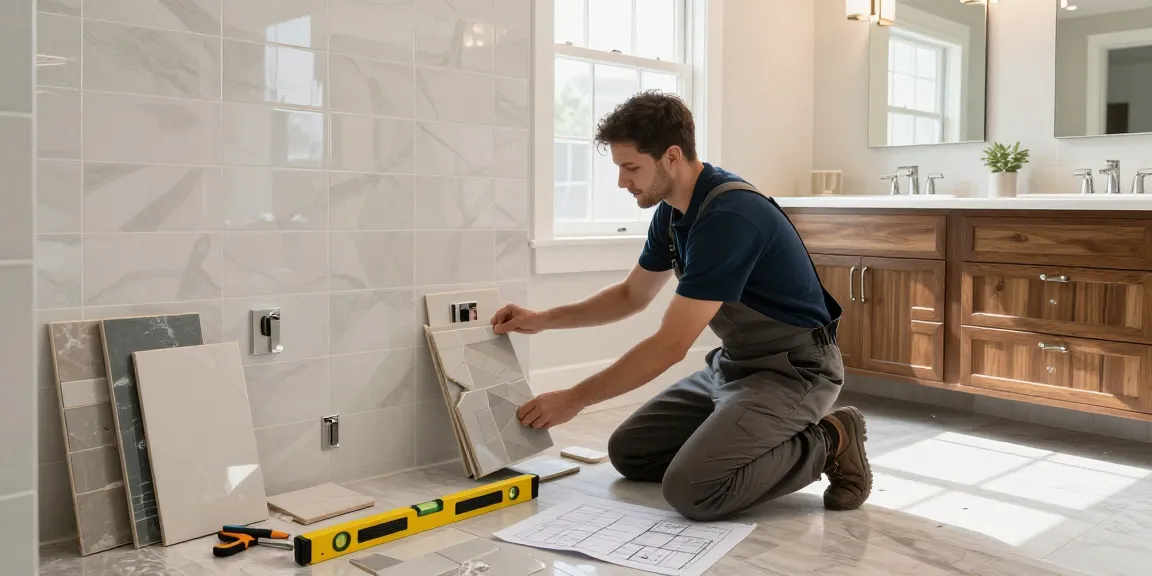
Many homeowners seek to refresh their Cape Cod homes while maintaining their classic features. This balance can be achieved by repainting the exterior in contemporary hues or replacing old fixtures with modern versions. For instance, upgrading hardware in kitchens and bathrooms or adding new lighting can dramatically transform a home’s look while preserving its original charm.
Expanding Living Spaces
As families grow, so too can the need for additional living space. Expanding a Cape Cod home can be approached in several ways. Adding an attached garage, extending the back of the house, or enhancing outdoor areas with decks or patios can significantly enhance functional space. These additions should remain harmonious with the home’s original architectural style to maintain its overall aesthetic appeal.
Integrating Modern Amenities
Modern conveniences can coexist beautifully with traditional Cape Cod charm. Homeowners often consider integrating smart home technology, energy-efficient appliances, and contemporary fixtures. Carefully blending retro styles with modern advancements, such as built-in sound systems or smart thermostats, not only enhances comfort but can also elevate the home’s market value.
FAQs about Cape Cod Homes
What defines a Cape Cod home?
A Cape Cod home typically features a symmetrical design, steeply pitched roofs, dormer windows, and wooden siding, reflecting New England colonial architecture.
Are Cape Cod homes energy efficient?
Yes, Cape Cod homes can be energy efficient through proper insulation, high-performance windows, and the integration of renewable energy solutions.
How to maintain a Cape Cod home?
Regular maintenance should include exterior inspections, repainting wood siding, checking the roofing, and ensuring adequate drainage around the home.
What are the common design features?
Common design features include clapboard siding, steep roofs, dormers, and open floor plans, emphasizing simplicity and functionality.
Can Cape Cod homes be modernized?
Absolutely! Cape Cod homes can be modernized through renovations that incorporate contemporary materials and technologies while preserving their classic charm.