Introduction to Waterproof Vinyl Flooring
In recent years, waterproof vinyl flooring has gained immense popularity among homeowners and interior designers alike. Its unique blend of durability, style, and functionality makes it an attractive option for various areas in the home, particularly those prone to moisture. This article dives deep into the details of waterproof vinyl flooring, exploring its characteristics, benefits, installation processes, maintenance needs, and more.
What is Waterproof Vinyl Flooring?
Waterproof vinyl flooring is a synthetic flooring solution designed to withstand moisture while providing the look of natural materials. Composed of multiple layers, this flooring option typically includes a waterproof core, a design layer that replicates wood, stone, or tile, and a protective wear layer that resists scratches and stains.
With advancements in manufacturing, waterproof vinyl flooring can be found in different formats, including planks and tiles, allowing for a variety of design possibilities that cater to different tastes and home aesthetics. Its construction not only provides visual appeal but also ensures that the flooring remains functional even in damp conditions, making it ideal for areas such as bathrooms, kitchens, and basements.
Key Benefits of Waterproof Vinyl Flooring
Choosing waterproof vinyl flooring presents numerous advantages:
- Water Resistance: As the name implies, waterproof vinyl flooring is designed to resist moisture, making it perfect for wet areas.
- Durability: This flooring is resistant to scratches, dents, and stains, contributing to its long lifespan and retaining its appearance over time.
- Easy Maintenance: Unlike other flooring materials that may require specific cleaning techniques or products, waterproof vinyl flooring is simple to clean with regular sweeping and mopping.
- Comfort: The vinyl material can provide a softer, warmer feel underfoot compared to hard surfaces like tile or stone.
- Wide Variety of Styles: Available in an extensive array of colors and patterns, waterproof vinyl can suit any design aesthetic.
Popular Styles and Designs
The design flexibility of waterproof vinyl flooring is one of its strongest attributes. Some popular styles include:
- Wood-Look Planks: These mimic the appearance of hardwood, providing a warm and inviting look without the maintenance drawbacks of real wood.
- Stone and Tile Effects: For those who prefer a more contemporary or rustic look, vinyl flooring can imitate various stone types, adding sophistication to spaces.
- Abstract Patterns: Unique shapes and colors allow homeowners to express personal style, making flooring a focal point of their interior design.
Installation Guide for Waterproof Vinyl Flooring
Preparing Your Space
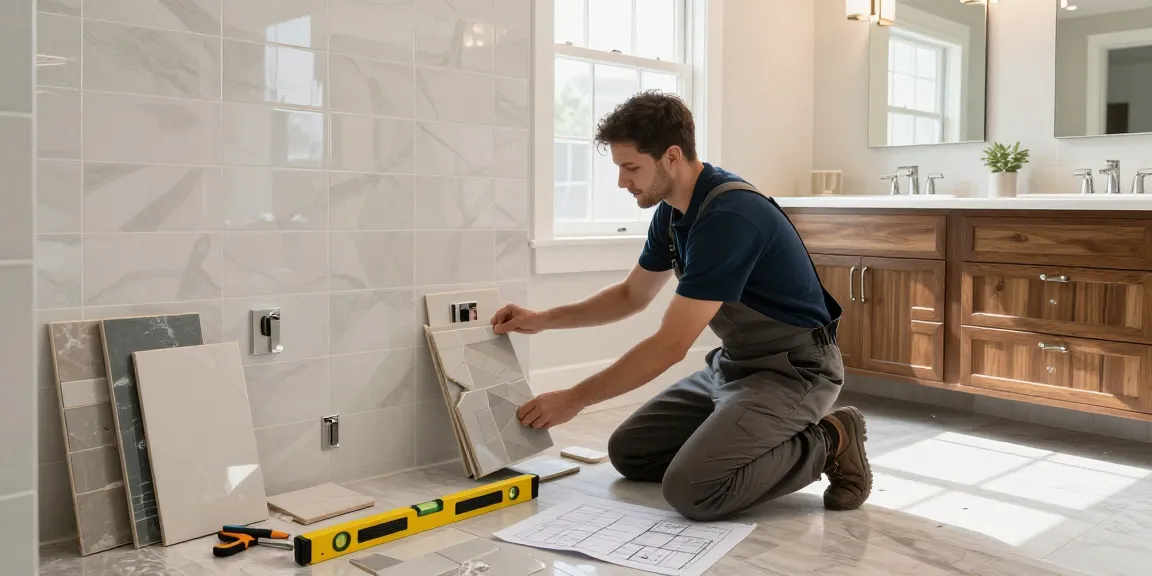
Preparation is critical for ensuring a successful installation of waterproof vinyl flooring. Follow these steps:
- Clear the Area: Remove all furniture, rugs, and other items from the space where you will be installing the flooring.
- Inspect the Subfloor: Check the subfloor for moisture, damage, or imperfections. It should be clean, dry, and level.
- Acclimate the Flooring: Allow the vinyl planks or tiles to acclimate in the space for at least 48 hours to adjust to room temperature and humidity levels.
Step-by-Step Installation Process
Once the space is prepared, follow these steps for installation:
- Choose Your Installation Method: Depending on the flooring type, homeowners can opt for glue-down, click-lock, or loose lay installation methods.
- Lay the Underlayment (if required): Install an underlayment that will provide cushioning and sound insulation if using a floating floor method.
- Cut the Planks/Tiles: Measure and cut your flooring pieces to fit the dimensions of your space, accounting for edges and corners.
- Start Installing: Begin laying flooring from one corner of the room, using spacers against walls to maintain expansion gaps.
- Finish Edges: Once the main area is covered, be sure to trim and fit pieces around doorways and edges properly.
Common Mistakes to Avoid
Installation errors can lead to costly repairs down the line. Here are some pitfalls to avoid:
- Not Acclimating: Failure to allow your flooring to adjust to room temperature can result in warping.
- Ignoring Subfloor Preparation: Installing vinyl over an uneven or dirty subfloor can compromise the integrity of the flooring.
- Neglecting Expansion Gaps: Skipping proper spacing for expansion can lead to buckling as temperatures change.
Maintenance Tips for Waterproof Vinyl Flooring
Daily Cleaning Routines
Keeping your waterproof vinyl flooring looking its best requires a simple cleaning routine:
- Dust and Sweep: Regularly sweep or vacuum to remove dirt and debris, preventing scratching.
- Mopping: Use a damp mop and a mild, pH-balanced cleaner designed for vinyl flooring as necessary.
Long-term Care Strategies
Ensure your flooring has longevity by following these practices:
- Use Furniture Pads: Place pads under furniture legs to prevent scratches and dents.
- Protect from Sunlight: Use curtains or blinds to prevent excessive UV exposure, which can fade the flooring over time.
- Maintain Humidity Levels: Keep indoor humidity between 30-50% to prevent damage from excess moisture.
Dealing with Stains and Scuffs
Stains and scuff marks can be treated easily:
- Immediate Clean-Up: Clean spills promptly to avoid lingering stains.
- Soft Scrub: For tough stains, use a soft scrub brush with a vinegar and water solution.
- Avoid Harsh Chemicals: Stay clear of bleach or ammonia as they can damage the flooring surface.
Comparing Waterproof Vinyl Flooring to Other Flooring Options
Waterproof Vinyl vs. Traditional Wood Flooring
While traditional wood flooring offers elegance, it lacks waterproof properties that vinyl provides. Wood can warp in moisture-rich environments, while waterproof vinyl flooring retains its original shape and appearance, making it a more practical choice for areas exposed to spills or high humidity.
How Waterproof Vinyl Stacks Against Tile Flooring
Tile flooring provides unbeatable durability and water resistance; however, it can be cold and hard underfoot. Waterproof vinyl flooring delivers a similar aesthetic with additional comfort and warmth, making it a preferred choice for living spaces where lasting comfort is desired.
Cost Efficiency: Waterproof Vinyl vs. Laminate
While laminate offers a cost-effective option with its wood-like appearance, waterproof vinyl surpasses it in durability and moisture resistance. Though slightly more expensive initially, waterproof vinyl results in lower long-term costs due to its longer lifespan and reduced need for repairs or replacements.
FAQs about Waterproof Vinyl Flooring
How durable is waterproof vinyl flooring?
Waterproof vinyl flooring is highly durable and resistant to scratches, stains, and dents, making it ideal for high-traffic areas.
Can waterproof vinyl flooring be installed in bathrooms?
Yes, waterproof vinyl flooring is perfect for bathrooms due to its moisture-resistant properties, providing peace of mind against water damage.
How do I clean waterproof vinyl flooring?
Regular cleaning involves sweeping or vacuuming to remove debris and damp mopping with a mild cleaner to maintain its shine.
Is waterproof vinyl flooring eco-friendly?
Many manufacturers are now producing eco-friendly options, utilizing recycled materials and sustainable practices in production.
What is the lifespan of waterproof vinyl flooring?
With proper care, waterproof vinyl flooring can last 10 to 20 years, depending on the quality and the amount of foot traffic.