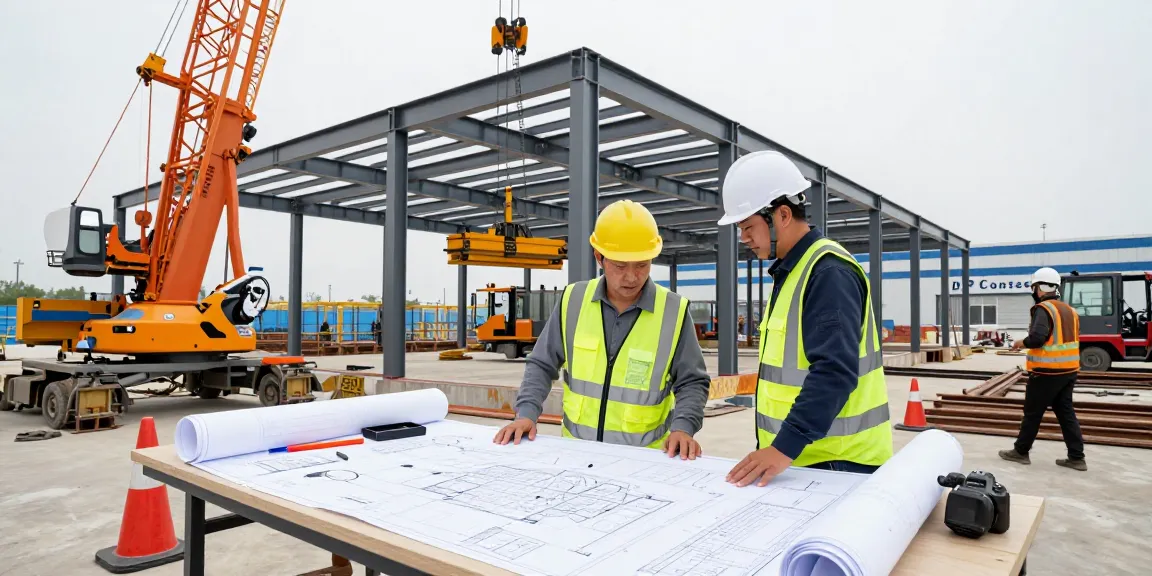
Understanding the Role of a Manhattan Construction Manager
The role of a Manhattan Construction Manager is pivotal in navigating the complexities of construction projects in one of the world’s most dynamic environments. This position encompasses a broad spectrum of responsibilities that drive project execution from initial planning to final completion. Understanding these responsibilities, the impact they have on project success, and the essential skills required can significantly enhance the effectiveness of a construction manager.
Key Responsibilities and Skills
A Manhattan Construction Manager is responsible for overseeing construction projects, ensuring that they are completed on time, within budget, and to the specified quality standards. Key responsibilities include:
- Project Planning: Formulating detailed project plans, including timelines, resource allocation, and budget estimations.
- Team Coordination: Leading a diverse team of contractors, architects, and engineers to ensure collaborative efforts towards project goals.
- Quality Control: Implementing and monitoring quality control procedures to uphold safety standards and regulatory compliance.
- Risk Management: Identifying potential risks and developing strategies to mitigate them throughout the project lifecycle.
- Stakeholder Communication: Keeping all stakeholders informed and engaged, from clients to subcontractors and regulatory bodies.
Moreover, a successful construction manager in Manhattan must possess strong leadership skills, strategic thinking, and an in-depth understanding of construction methodologies. The ability to adapt to changing conditions and solve problems swiftly is invaluable. Furthermore, technical proficiency in software tools like Building Information Modeling (BIM) enhances the manager’s ability to forecast project progress effectively.
Impact on Project Success
The effectiveness of a Manhattan Construction Manager directly influences the overall success of a construction project. A competent manager can:
- Ensure Timeliness: By developing effective schedules and monitoring progress, they can prevent delays.
- Control Costs: Skilled managers maximize resource efficiency, ultimately leading to maintaining or reducing the overall budget.
- Improve Quality: Continuous oversight and quality checks elevate the overall standard of the finished product.
Statistically speaking, projects managed by experienced construction managers often experience a reduction in delays and budget overruns. Their ability to foresee potential challenges equips them to implement preemptive measures, safeguarding the project from typical pitfalls.
Communication with Stakeholders
Effective communication is a cornerstone of successful project management. A Manhattan Construction Manager must engage regularly with various stakeholders, including clients, suppliers, and regulatory agencies. Establishing clear channels of communication helps to:
- Facilitate Transparency: Regular updates foster trust among stakeholders and maintain project visibility.
- Enhance Collaboration: Open dialogue encourages teamwork among varied disciplines essential for project success.
- Manage Expectations: Communicating changes and challenges helps align stakeholder expectations with project realities.
Utilizing tools such as progress reports, stakeholder meetings, and collaborative platforms optimizes this communication, ensuring all parties are aligned with the project’s goals.
Challenges Faced by Manhattan Construction Managers
Working in the construction field in Manhattan presents unique challenges that can complicate project management. Understanding these challenges can better prepare construction managers to address them effectively and ensure smoother project execution.
Regulatory Compliance Issues
Manhattan’s construction industry is governed by numerous regulations that can vary significantly depending on location and project scope. Compliance with building codes, safety regulations, and environmental standards is non-negotiable. Failure to comply can result in costly fines, work stoppages, and project delays.
To navigate these complexities, construction managers must stay informed about local regulations and develop comprehensive compliance checklists. Regular training sessions can also equip teams with the knowledge they need to adhere to regulatory requirements.
Budget and Time Constraints
Budget overruns and project delays are frequent concerns in the construction industry. Fluctuating material costs, unexpected labor shortages, and delays in permits can strain project timelines and budgets. A proactive approach in dealing with these issues is essential.
Construction managers should establish contingency plans and allocate budget reserves for unforeseen circumstances. Regularly reviewing project budgets and timelines against actual spending and progress can help identify potential issues before they escalate.
Managing Diverse Teams
Construction projects often involve a wide array of professionals from different backgrounds, including architects, laborers, and subcontractors. Managing a diverse team can pose challenges in terms of communication, collaboration, and conflict resolution.
To mitigate these issues, construction managers should foster an inclusive team culture that values diverse perspectives. Conducting team-building activities and establishing clear communication norms can enhance collaboration and reduce misunderstandings among team members.
Best Practices for Successful Project Management
Implementing best practices in project management can significantly enhance the likelihood of project success. Manhattan Construction Managers can adopt several strategies that lead to improved outcomes.
Effective Resource Allocation
Resource allocation is critical to ensuring that a project runs smoothly. Effective allocation involves matching resources such as labor and materials with project needs efficiently. Construction managers should employ techniques like resource leveling and forecasting to anticipate needs based on the project timeline.
Additionally, maintaining strong relationships with suppliers can ensure that resources are available when needed and potentially at reduced costs. Regular reviews can identify resource bottlenecks, allowing managers to make timely adjustments.
Using Technology and Software
The integration of technology and construction management software has revolutionized the construction industry. Tools such as project management software, BIM, and mobile apps can help streamline processes, improve communication, and mitigate risks.
These technologies facilitate real-time collaboration and provide managers with data analytics for better decision-making. Embracing technology also aids in documenting progress and ensures compliance with regulations.
Continuous Team Training
Given the fast-paced changes in the construction industry, continuous training is vital. Equipping the team with the latest skills and knowledge ensures they stay competitive and are well-prepared to tackle emerging challenges.
Construction managers should prioritize ongoing training programs, workshops, and certifications in areas such as safety regulations, new construction techniques, and project management methodologies. A well-informed team is more likely to contribute to a project’s success.
Case Studies: Success Stories in Manhattan Construction
Examining success stories and failed projects provides invaluable insights for Manhattan Construction Managers. These case studies reveal best practices, highlight potential pitfalls, and showcase innovative solutions.
Iconic Building Projects
Manhattan is home to numerous iconic building projects that showcase the possibilities within the construction industry. Projects like the One World Trade Center stand as examples of how effective management can turn concepts into reality. The project faced numerous challenges, including safety regulations and coordination, yet its success hinged on brilliant project management strategies that included stakeholder engagement and adherence to changing regulations.
Lessons from Failed Projects
Conversely, analyzing failed projects offers critical lessons for avoidance. Projects that went over budget or faced significant delays often revealed issues in risk management, scheduling, or communication. For example, the construction of high-profile developments that missed deadlines can usually be traced back to inadequate planning or unforeseen complications that weren’t addressed quickly enough.
Innovative Solutions Implemented
Innovation within construction practices often emerges as a response to challenges faced during projects. Managers who adopt advanced techniques, such as modular construction or sustainable practices, can enhance efficiency and reduce waste. Innovations like immersive technology for training or augmented reality for design review have shown tremendous potential in improving project outcomes.
Future Trends for Manhattan Construction Managers
The construction landscape is continuously evolving, influenced by technological advancements and shifts in societal demands. Staying ahead of these trends is key for Manhattan Construction Managers seeking to remain competitive.
Sustainability Practices
Sustainability has become a central focus in construction. Modern construction practices involve energy-efficient practices and the use of sustainable materials. Managers are increasingly expected to incorporate green building strategies and comply with LEED certifications and other environmental standards.
By embracing sustainability, projects not only meet regulatory requirements but can also significantly reduce long-term operational costs for clients.
The Rise of Smart Buildings
Smart buildings, equipped with IoT devices and advanced automation systems, are on the rise in Manhattan. These technologies enable efficient energy use, enhance occupant comfort, and improve safety. For construction managers, understanding how to integrate these technologies into building designs is essential for staying relevant.
Training teams on smart technology implementation and engaging in partnerships with technology providers can ensure that projects capture this emerging trend.
Adaptation to Economic Changes
The construction industry is sensitive to economic fluctuations. Factors such as interest rates, material costs, and labor market changes can impact project feasibility. Successful Manhattan Construction Managers must be adept at adapting to these changes—developing strategies for economic resilience and maintaining cost-effectiveness in their projects.
Utilizing market analysis and economic forecasting tools can help managers better anticipate shifts and adapt their approach accordingly.
Frequently Asked Questions
What are the primary responsibilities of a Manhattan Construction Manager?
They oversee project planning, team coordination, quality control, risk management, and stakeholder communication, ensuring project completion on time and within budget.
What skills are essential for a successful construction manager?
Key skills include leadership, strategic thinking, technical proficiency in construction methodologies, and strong communication abilities.
How do construction managers handle budget constraints?
They create contingency plans, regularly monitor budgets, and review costs against forecasts to identify and address potential budget issues proactively.
What role does technology play in modern construction management?
Technology streamlines processes, improves communication, enhances collaboration, and provides analytics for decision-making, increasing project efficiency and effectiveness.
How can I stay updated on construction regulations?
Regularly attending industry workshops, reading relevant publications, and engaging with local regulatory bodies can help managers stay informed on changing regulations.