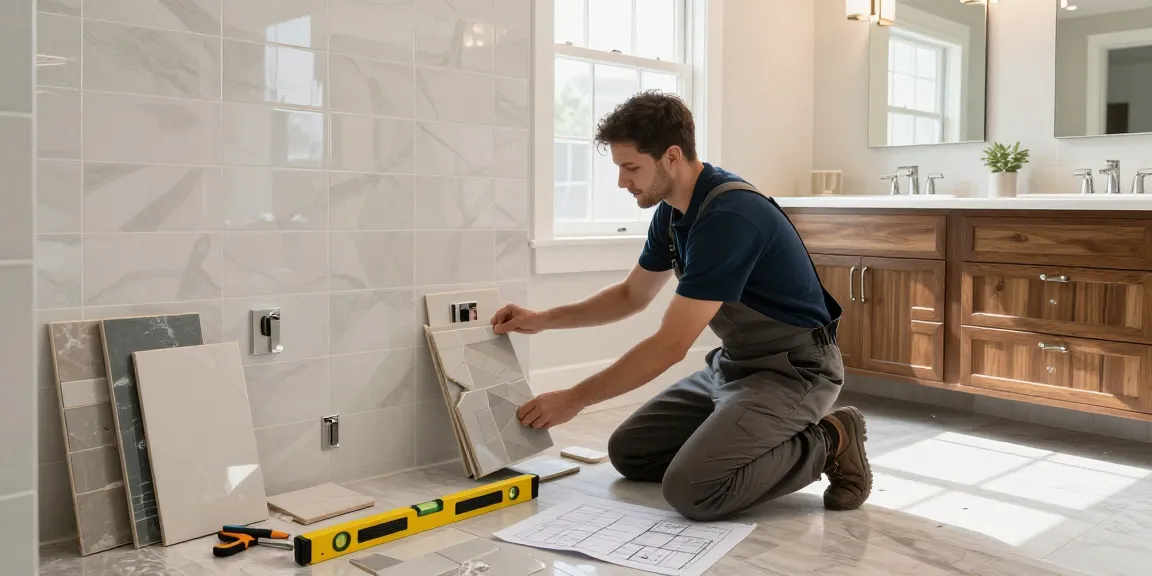
Understanding the Essentials of Renovation
Renovation is a transformative process that breathes new life into spaces, allowing homeowners and business proprietors to improve broken, damaged, or outdated structures. Within the construction and real estate sectors, renovation plays a critical role in enhancing property value and functionality. Whether you’re considering a residential project or a commercial upgrade, understanding the nuances of renovation can empower you to make informed decisions. When exploring options, Renovation services like those offered by Top Finish Kuwait can provide comprehensive insights that guide your project from inception to completion.
What is Renovation and Its Importance?
At its core, renovation refers to the process of upgrading and restoring various aspects of a property. This can encompass everything from aesthetic improvements, such as painting and decorating, to functional upgrades like plumbing and electrical work. The importance of renovation cannot be overstated; it not only revitalizes spaces making them more appealing and functional but also contributes significantly to increasing property value. In an ever-evolving market, maintaining a modern, inviting environment is crucial for attracting clients and tenants alike.
Key Elements of Successful Renovation Projects
Successful renovation projects hinge on several key elements:
- Clear Objectives: Establish your goals upfront. Are you looking to enhance aesthetics, functionality, or both?
- Budgeting: Determine a clear budget to guide your project, ensuring you allocate resources effectively.
- Professional Guidance: Engage with experienced professionals who can provide valuable insights and manage your renovation efficiently.
- Quality Materials: Invest in high-quality materials that not only enhance the aesthetic appeal but also ensure longevity.
- Timeline: Create a realistic timeline and adhere to it, allowing flexibility for unexpected hurdles.
Common Myths about Renovation Explained
Several myths about renovation can mislead potential renovators:
- Myth 1: Renovations are always expensive.
- Fact: While costs can escalate, careful planning and budgeting can help keep expenses manageable.
- Myth 2: You can do it all yourself.
- Fact: Engaging professionals often leads to higher quality results and can save time and money in the long run.
- Myth 3: Renovations will always take longer than planned.
- Fact: With proper project management and scheduling, renovations can stay on track.
Planning Your Renovation: A Step-by-Step Guide
Setting Goals and Budget for Your Renovation
Every successful renovation begins with setting clear goals. Are you looking to expand your space, enhance its functionality, or simply refresh its aesthetics? Defining these objectives will help streamline your planning process. Concurrently, establishing a realistic budget is crucial. Understanding the costs associated with different aspects of renovation, from materials to labor, will provide a foundation for decision-making and help prevent overspending.
Choosing the Right Professionals for Your Project
Finding the right professionals is essential to the success of your renovation project. Look for companies with proven experience in renovation and strong industry reputations. Here are some tips for selecting the right team:
- Check references and previous work portfolios.
- Ensure they are licensed and insured to perform renovation work.
- Get multiple quotes for comparison.
- Assess their communication skills—good communication is key to project success.
Creating a Detailed Renovation Timeline
Once you’ve set your goals and selected your professionals, the next step is to create a detailed timeline. Factor in the following aspects in your timeline:
- Project phases: outline the major stages of your renovation.
- Dependencies: identify tasks that are dependent on others and plan accordingly.
- Buffer time: account for potential delays due to unforeseen circumstances.
Designing Your Space: Trends for 2026
Popular Renovation Styles and Aesthetics
As we look toward 2026, several design trends are emerging in the renovation industry. Popular styles include:
- Minimalism: Clean lines, uncluttered spaces, and a focus on functionality.
- Biophilic Design: Incorporating nature into the design through natural materials and indoor plants.
- Sustainable Materials: Eco-friendly materials that reduce environmental impact are gaining traction.
- Smart Homes: Integrating technology to enhance convenience and efficiency within living spaces.
Incorporating Sustainable Practices in Renovation
Sustainability is becoming increasingly important in the renovation landscape. Incorporating green practices not only benefits the environment but can also reduce long-term costs. Here are some sustainable practices to consider:
- Using energy-efficient appliances and fixtures.
- Opting for reclaimed or recycled materials.
- Investing in proper insulation to reduce energy consumption.
- Implementing rainwater harvesting systems or greywater reuse.
Leveraging Technology in Design and Renovation
Technology is rapidly changing the renovation industry. Leveraging tools like Building Information Modeling (BIM) can improve project accuracy and collaboration among stakeholders. Additionally, virtual reality (VR) and augmented reality (AR) can provide clients with immersive experiences of their future spaces, enabling better design decisions before actual construction begins.
Common Challenges in Renovation and How to Overcome Them
Managing Costs and Budget Overruns
Staying within budget can be one of the most challenging aspects of renovation. To manage costs effectively:
- Establish a contingency fund (typically 10-20% of the total budget) for unexpected expenses.
- Regularly review and adjust your budget as needed.
- Discuss any changes with your contractor beforehand to understand how they will impact costs.
Dealing with Project Delays and Setbacks
Delays are common in renovation projects, often caused by unforeseen issues or material shortages. To mitigate these challenges:
- Build a buffer into your timeline.
- Communicate regularly with your team to provide updates and address potential delays proactively.
- Consider alternative materials or solutions if key items are backordered.
Ensuring Compliance with Building Regulations
Navigating local building codes and regulations can be complex. To ensure compliance:
- Consult with your contractor about local codes that may affect your project.
- Obtain all necessary permits before starting work.
- Regularly check in with local authorities to ensure ongoing compliance throughout the renovation process.
Measuring Success: Metrics for Your Renovation Project
Key Performance Indicators for Renovation
To assess the success of your renovation project, consider the following key performance indicators (KPIs):
- Completion time relative to the original timeline.
- Final costs compared to the initial budget.
- Client satisfaction ratings post-renovation.
- Increased property value following the renovation.
Gathering Feedback from Clients and Homeowners
Post-project feedback is invaluable for continuous improvement. Conduct surveys or informal interviews with clients to gather insights on their satisfaction with the results and the renovation process overall.
Adapting for Future Renovation Trends and Needs
Keeping an eye on future trends and evolving client needs is crucial for ongoing success in the renovation industry. Stay informed about emerging technologies, materials, and design trends to remain competitive and meet client expectations.
What are the typical costs associated with renovation?
The costs of renovation can vary widely based on the scope and scale of the project. Typical factors include materials, labor, and any necessary permits or inspections. It’s essential for homeowners to get multiple estimates and understand the breakdown of costs from their contractors.
How can I ensure my renovation project stays on schedule?
To keep your project on schedule, establish a detailed timeline with milestones, maintain clear communication with your contractors, and monitor progress regularly. Flexibility in addressing potential issues can also help prevent delays.
What are the most common types of renovations people undertake?
Common renovations include kitchen and bathroom remodels, basement finishing, and expansions. Each type has its unique considerations and can significantly enhance a property’s value and functionality.
How can I maximize my home’s value through renovation?
Focusing on high-return renovations, such as kitchen and bathroom upgrades, along with enhancing curb appeal, can contribute significantly to increasing your home’s market value. Additionally, energy-efficient upgrades can attract eco-conscious buyers.
What innovations are shaping the future of home renovation?
Innovations such as smart home technology, modular construction methods, and sustainable materials are paving the way for exciting changes in the renovation industry. Keeping abreast of these innovations can provide significant advantages and elevate the quality of renovation projects.